Skip to content
Leading Building Glass Factory
Architectural Silkscreen Ceramic Fritted Glass Manufacturer
// Architectural Silkscreen Ceramic Fritted Glass //
Silkscreen Ceramic Fritted Glass Manufacturer
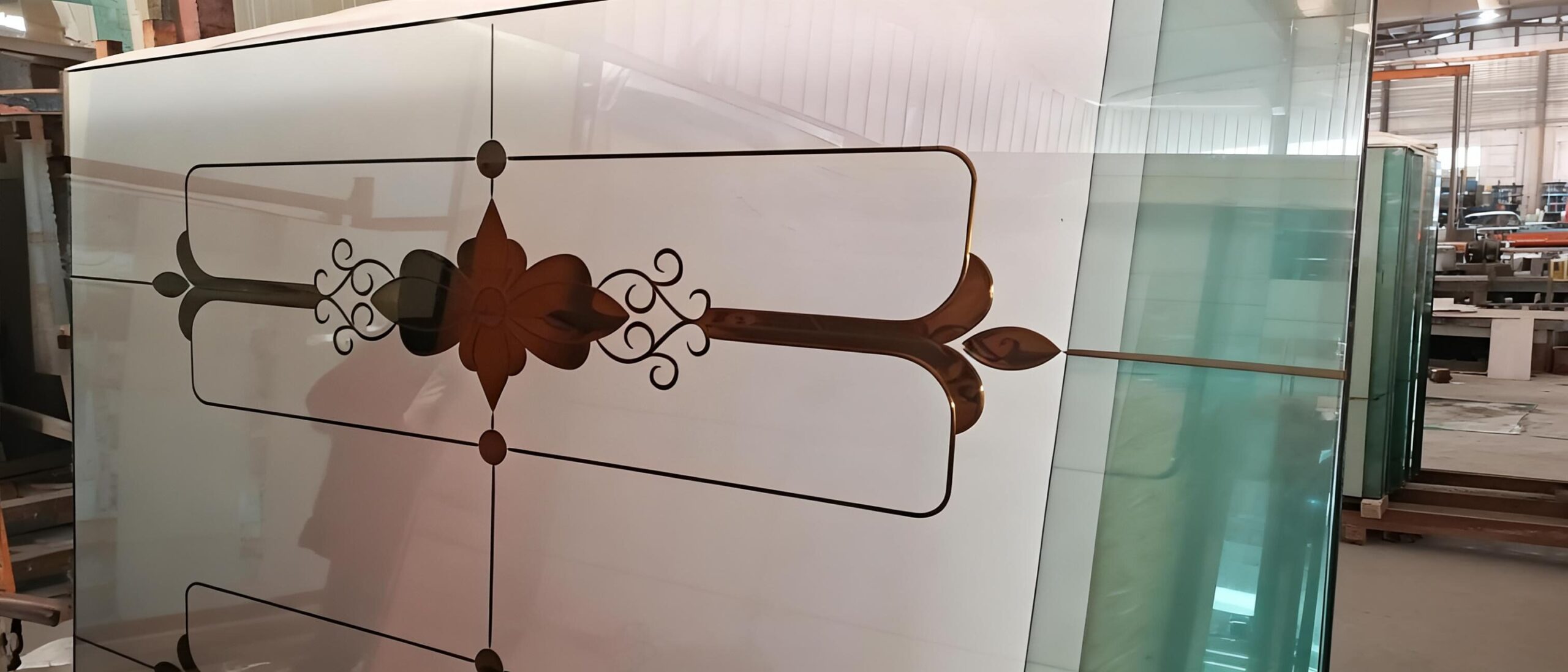
Silkscreen Ceramic Fritted Glass is widely used in modern architectural design for façades, curtain walls, skylights, and interior partitions. It combines decorative patterns with functional benefits such as solar shading, privacy protection, and improved energy efficiency. However, choosing the wrong glass specifications, frit patterns, or manufacturing quality can lead to costly problems in building performance and appearance. In this guide, we reveal five costly mistakes to avoid when selecting Silkscreen Ceramic Fritted Glass. Understanding these common issues will help architects, builders, and developers choose the right architectural glass solution for durable, visually striking, and energy-efficient buildings.
This advanced glass combines decorative design with functional performance, making it a preferred solution for architects and building designers. However, when selecting this type of glass for a project, many buyers and project managers make avoidable mistakes that can affect durability, appearance, and overall project cost.
To help you make the right decision, here are five costly mistakes you should avoid when choosing Silkscreen Ceramic Fritted Glass.
Silkscreen Ceramic Fritted Glass: Avoid These 5 Costly Mistakes When Choosing Architectural Glass
1. Ignoring the Quality of Ceramic Frit Printing
One of the most common mistakes is assuming that all ceramic frit printing processes are the same.
In reality, the quality of the silk-screen printing process directly affects the durability and visual consistency of the glass. High-quality ceramic frit is fused into the glass surface during the tempering process at high temperatures, creating a permanent bond that will not peel, fade, or scratch easily.
Poor printing quality can lead to:
Uneven patterns or color variations
Reduced adhesion between the ceramic frit and glass surface
Premature fading or surface defects
To avoid this issue, always work with a manufacturer that uses precise silk-screen printing technology and strict quality control systems.
2. Overlooking Solar Control and Energy Performance
Many buyers focus only on the decorative appearance of the frit pattern while overlooking its functional benefits.
Ceramic frit patterns are not only decorative; they can also help:
Reduce solar heat gain
Improve shading performance
Enhance indoor comfort
Support energy-efficient building design
For example, different frit coverage ratios (such as 20%, 40%, or 60%) can significantly influence the amount of sunlight entering the building.
Choosing the wrong pattern density may result in:
Excessive heat gain
Glare problems inside the building
Increased air conditioning costs
Architects and engineers should carefully balance aesthetics, daylighting, and energy efficiency when specifying Silkscreen Ceramic Fritted Glass.
3. Choosing the Wrong Glass Type Combination
Silkscreen Ceramic Fritted Glass is not a standalone glass category. Instead, it can be combined with various architectural glass types, such as:
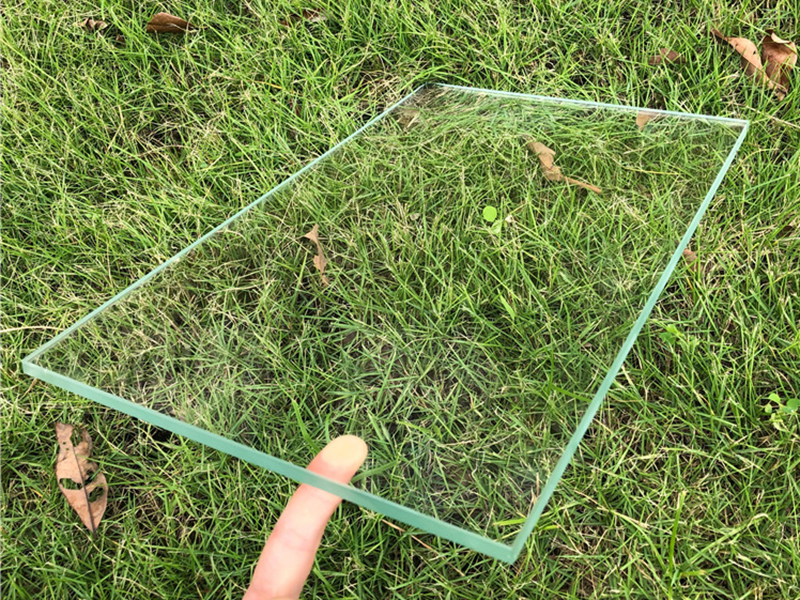
Tempered glass
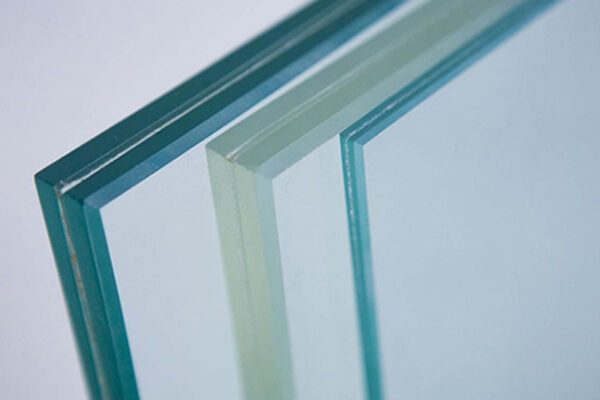
Laminated safety glass
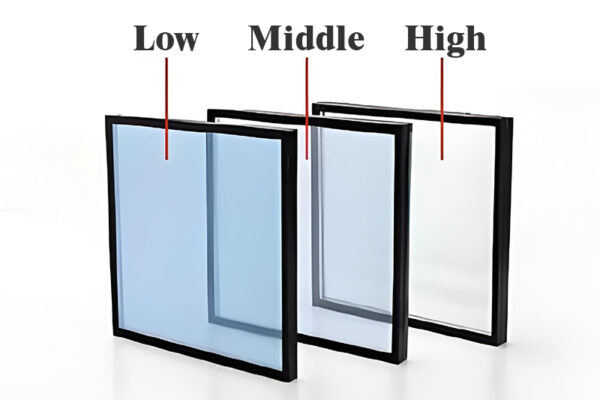
Insulated glass units (IGU)
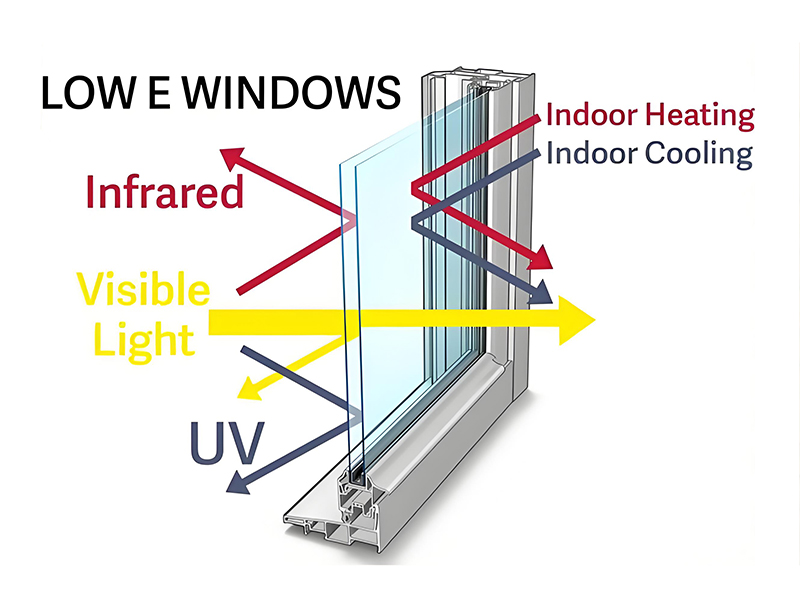
Low-E coated glass
Selecting the wrong combination can negatively affect safety performance, thermal insulation, or acoustic performance.
For example:
Curtain wall façades often require laminated fritted glass for safety.
Energy-efficient buildings may require fritted glass combined with Low-E coatings.
Skylights and overhead glazing must meet strict safety standards.
Therefore, it is important to evaluate structural, safety, and energy requirements before choosing the final glass configuration.
4. Ignoring Pattern Design and Visual Consistency
Another costly mistake is neglecting pattern design alignment and visual consistency, especially for large façade projects.
If pattern placement is not carefully planned, it may lead to:
Misaligned patterns between glass panels
Inconsistent façade appearance
Visible installation errors
Professional manufacturers usually provide:
Pattern design consultation
Mock-up samples
Technical drawings for panel alignment
These steps help ensure that the final building façade maintains a clean, uniform, and visually striking appearance.
5. Choosing Price Over Manufacturing Expertise
While cost is always a factor in construction projects, choosing a supplier solely based on the lowest price can be risky.
Silkscreen Ceramic Fritted Glass requires advanced production equipment, experienced technicians, and strict process control, including:
Precision screen printing
High-temperature tempering
Color consistency control
Surface quality inspection
An inexperienced supplier may produce glass with:
Pattern defects
Tempering distortion
Color inconsistencies
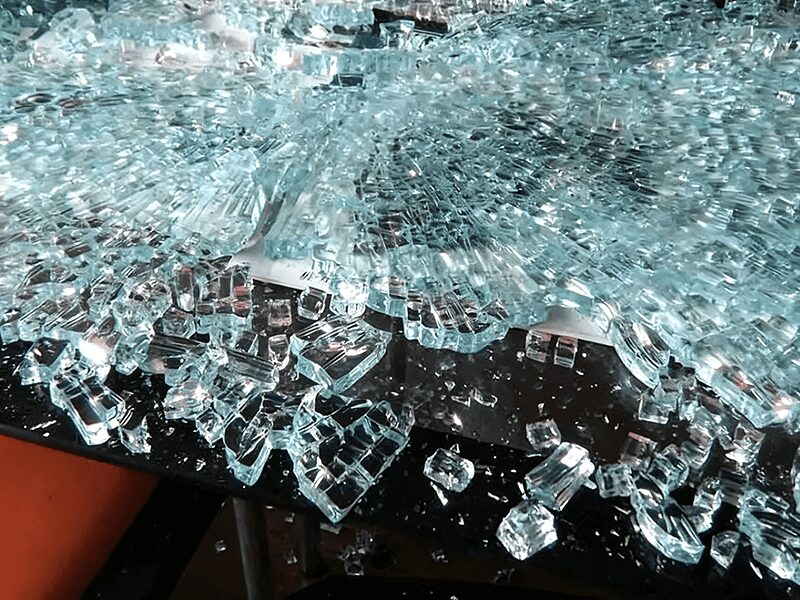
Higher breakage rates during installation
Working with a reliable architectural glass manufacturer ensures that the product meets both design expectations and long-term durability requirements.
Conclusion
Silkscreen Ceramic Fritted Glass offers a unique combination of design flexibility, solar control, and durability, making it an excellent choice for modern architectural projects.
However, avoiding common mistakes—such as ignoring printing quality, overlooking energy performance, selecting the wrong glass configuration, neglecting pattern alignment, or choosing suppliers based only on price—can make a significant difference in the success of your project.
By partnering with an experienced manufacturer and carefully evaluating your project requirements, you can ensure that Silkscreen Ceramic Fritted Glass delivers both aesthetic value and long-lasting performance for your building.
Main Products