Skip to content
Float Glass | Premium Clarity & Strength Power
Crystal Glass Panel: Precision-crafted clarity, for a flawless finish
// Float Glass //
Transparent float glass
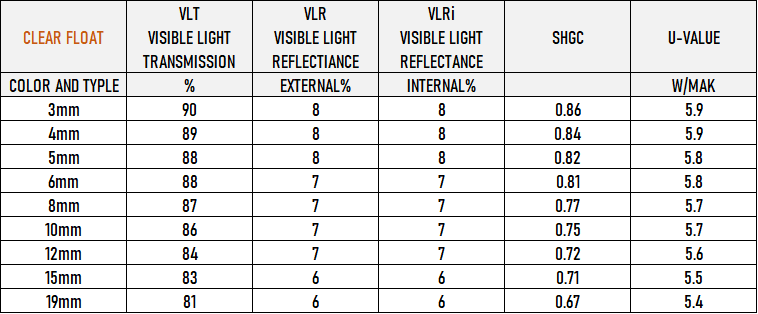
Thickness: 3mm 4mm 5mm 6mm 8mm 10mm 12mm 15mm 19mm;
Dimension:Min size: 500*700mm; Max size: 3300*6500mm
Color: Clear、Extra clear
Tinted float glass
Thickness:3mm 4mm 5mm 6mm 8mm 10mm 12mm
Dimension:Min size:920*1016mm Max size:3660*3300mm
color:Golden bronze、Euro bronze、grey、Crystal grey、 F green、Ford blue
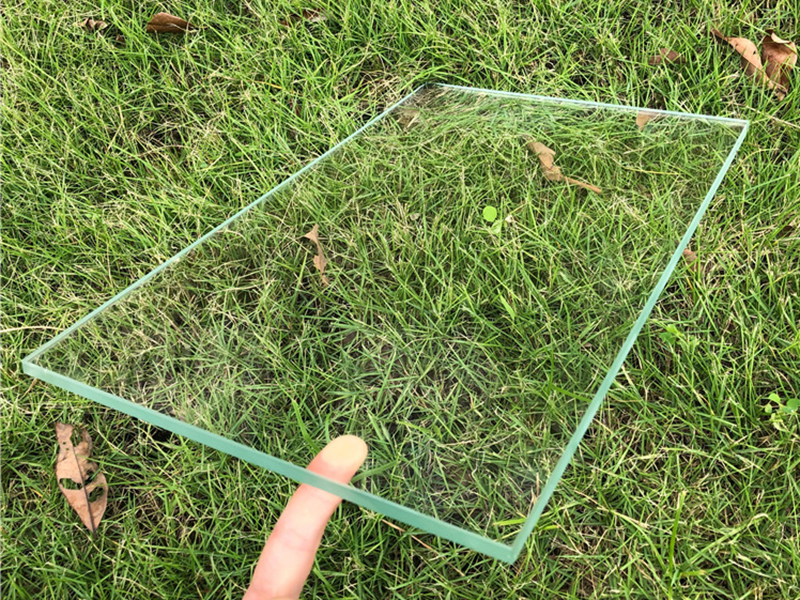
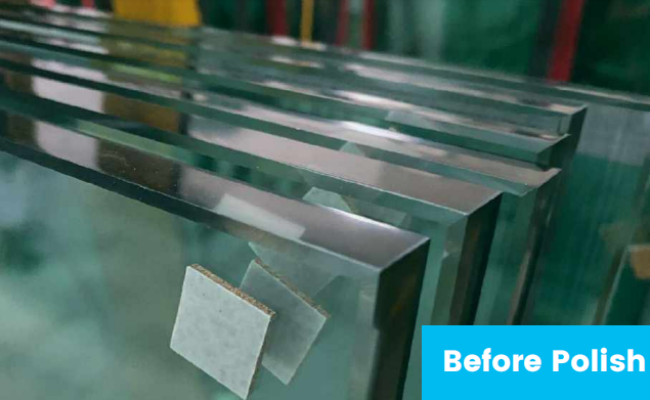
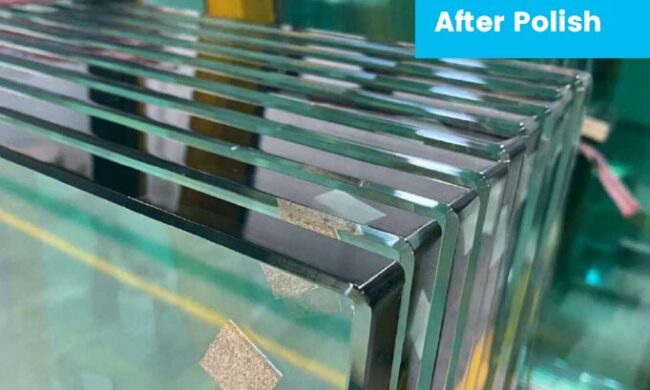
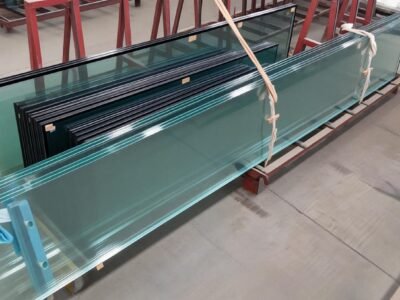
Our float of Original size is polished edge:

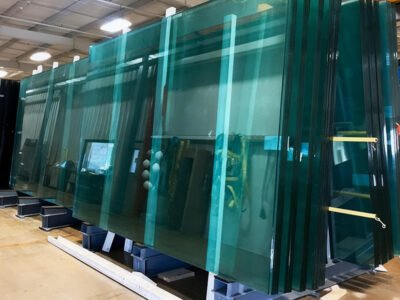
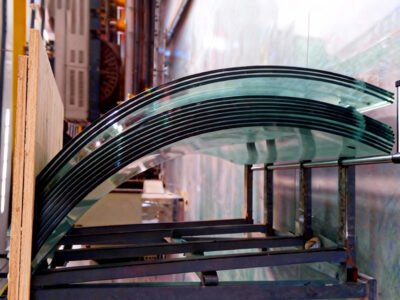
Powerful Float Glass Solutions for Modern Construction
In today’s architectural and industrial sectors, float glass plays a vital role in delivering clarity, strength, and versatility. As construction standards continue to evolve, the demand for high-quality float glass has significantly increased. At Vivois, we specialize in manufacturing premium float glass products designed to meet global performance expectations and enhance modern building designs.
What is Float Glass
Float glass is a type of flat glass produced by floating molten glass on a bed of molten tin. This advanced manufacturing method ensures a uniform thickness and perfectly smooth surface on both sides. Compared to traditional sheet glass, float glass offers superior optical clarity, minimal distortion, and consistent quality.
The float process allows manufacturers like Vivois to produce large-scale glass sheets with excellent flatness and precision. This makes float glass the foundation for many processed glass products, including tempered glass, laminated glass, and insulated glass units.
Key Features of Glass Panel
Glass Panel is widely recognized for its outstanding properties:
- High Optical Clarity:Provides excellent light transmission with minimal distortion.
- Smooth Surface:Ensures easy processing and coating applications.
- Uniform Thickness:Guarantees consistent performance across all panels.
- Versatility:Suitable for further processing such as cutting, tempering, and coating.
- Durability:Offers long-term performance in various environmental conditions.
At Vivois, strict quality control ensures that every sheet of float glass meets international standards, making it a reliable choice for global projects.
Applications of Glass Panel
Glass Panel is one of the most widely used materials in modern construction and industrial applications. Its adaptability makes it suitable for a broad range of uses:
1. Architectural Applications
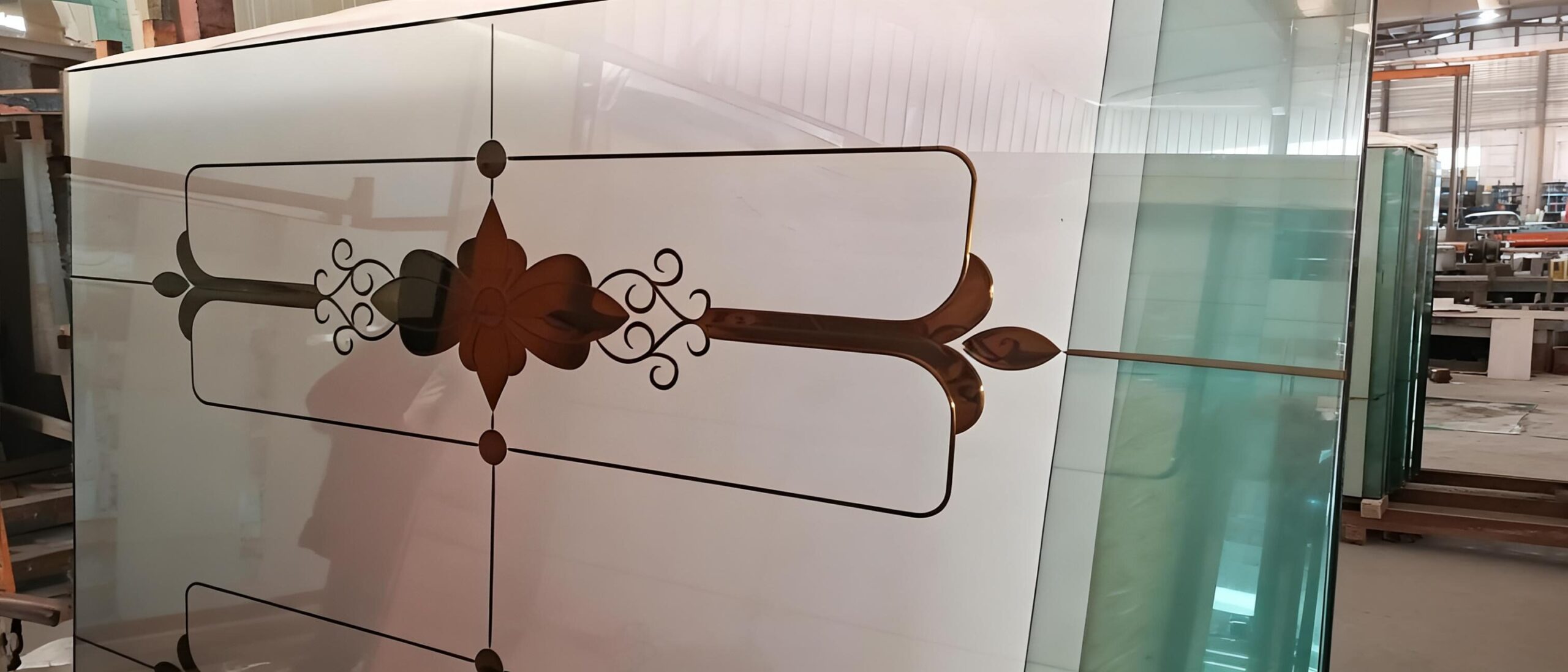
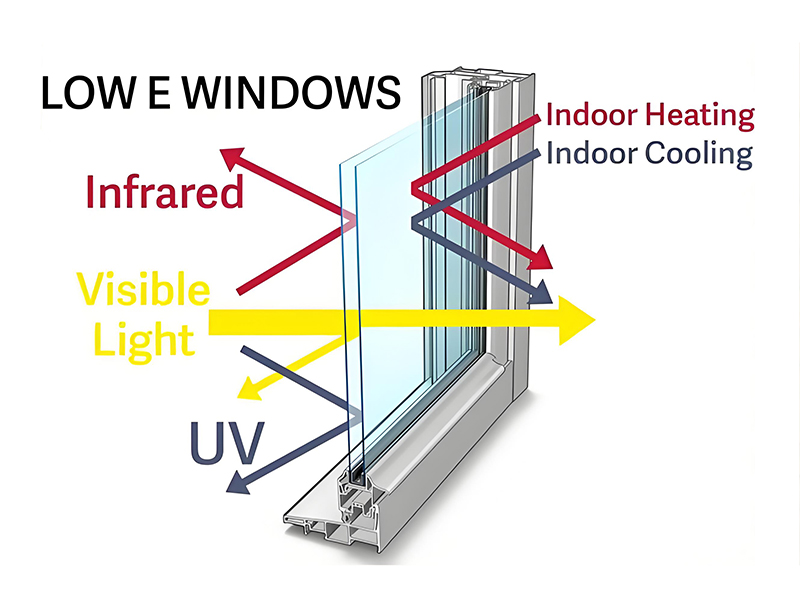
Glass Panel is commonly used in windows, doors, curtain walls, and facades. Its clarity enhances natural lighting, improving energy efficiency and indoor comfort. It also serves as the base material for advanced architectural glass products such as low-E glass and reflective glass.
2. Interior Design
In interior spaces, the glass panel is used for partitions, glass walls, tabletops, and decorative panels. Its smooth surface and transparency contribute to modern, minimalist aesthetics while maintaining functionality.
3. Automotive Industry
Float glass is widely used in vehicle windows and windshields after further processing. Its strength and clarity ensure safety and visibility in automotive applications.
4. Industrial Use
Float glass is also utilized in solar panels, mirrors, and electronic displays. Its consistent thickness and high quality make it suitable for precision-based industries.
With Vivois float glass, customers gain access to a product that supports both standard and specialized applications across multiple industries.
Float Glass Manufacturing Process
The production is a highly controlled and technologically advanced process. At Vivois, we follow strict manufacturing protocols to ensure consistent quality and performance.
1. Raw Material Preparation
High-quality raw materials such as silica sand, soda ash, limestone, and dolomite are carefully selected and mixed to achieve the desired glass composition.
2. Melting Process
The raw materials are melted in a furnace at extremely high temperatures, forming molten glass. This stage is critical to ensuring purity and eliminating impurities.
3. Float Bath Formation
The molten glass is poured onto a bath of molten tin. Due to differences in density, the glass floats on the tin surface, forming a perfectly flat and smooth sheet. This is where float glass gets its name.
4. Annealing
The glass ribbon is gradually cooled in an annealing lehr to relieve internal stresses. This process enhances the strength and stability of the float glass.
5. Cutting and Inspection
Finally, the glass is cut into standard sizes and undergoes rigorous inspection to ensure it meets quality standards before packaging and shipment.
Why Choose Vivois
Choosing the right float glass manufacturer is crucial for project success. Vivois stands out in the global market due to:
- Advanced Manufacturing Technology:Ensures precision and consistency in every product.
- Strict Quality Control:Every sheet undergoes thorough inspection.
- Customization Capability:We provide tailored solutions based on customer requirements.
- Global Export Experience:Serving clients worldwide with reliable logistics and service.
- Sustainable Production:Focus on energy efficiency and environmentally responsible practices.
Our commitment to innovation and quality makes Vivois a trusted partner for architects, contractors, and distributors worldwide.
Conclusion
Crystal glass Panel remains the cornerstone of modern glass applications, offering unmatched clarity, versatility, and performance. From architectural projects to industrial uses, its importance continues to grow in today’s construction landscape.
With Vivois float glass, customers benefit from premium quality, advanced manufacturing, and dependable supply. Whether you are developing large-scale commercial buildings or specialized industrial products, our float glass solutions are designed to meet your needs and exceed expectations.
If you are looking for powerful and reliable float glass solutions, Vivois is your ideal partner in achieving excellence.