Skip to content
Transform Buildings into Landmarks with Vivois Glass
Reliable Supply, Remarkable Quality — Choose Vivois Glass
// Welcome to VIVOIS //
Why Improving Glass Thermal Insulation Matters
In modern architecture, energy efficiency has become a core priority. One of the most effective ways to enhance building performance is to improve glass thermal insulation. As glass occupies a significant portion of building envelopes, its thermal properties directly impact energy consumption, indoor comfort, and sustainability. For developers, architects, and contractors, selecting high-performance insulating glass solutions is no longer optional—it is essential.
What Does It Mean to Improve Glass Thermal Insulation?
To improve glass thermal insulation refers to enhancing the ability of glass to reduce heat transfer between indoor and outdoor environments. Traditional single-pane glass allows significant heat exchange, leading to energy loss in both hot and cold climates.
Modern solutions focus on minimizing three types of heat transfer: conduction, convection, and radiation. By optimizing glass structure and coatings, manufacturers can significantly improve insulation performance.
Key indicators include:
- U-value(thermal transmittance): lower values indicate better insulation
- Solar Heat Gain Coefficient (SHGC): controls solar radiation entering a building
- Visible Light Transmittance (VLT): balances natural lighting with energy efficiency
Advanced Technologies to Improve Glass Thermal Insulation
To meet global energy standards, several innovative technologies are used to improve glass thermal insulation:
- Double and Triple Glazing
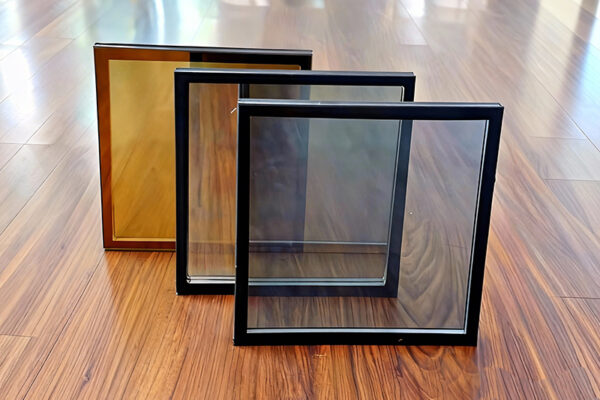
Insulated Glass Units (IGUs) consist of two or three panes separated by spacers. The air or gas-filled cavity reduces heat transfer significantly compared to single glazing. - Low-E Coating Technology
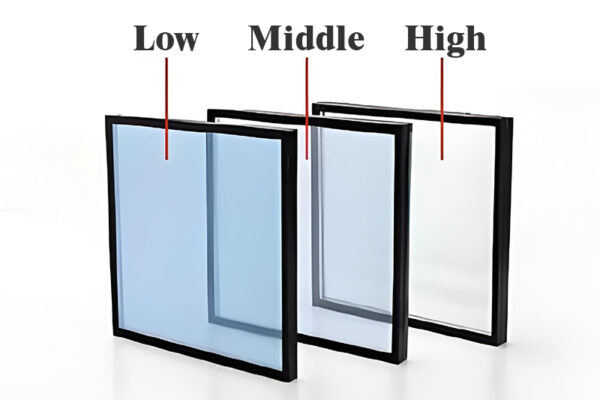
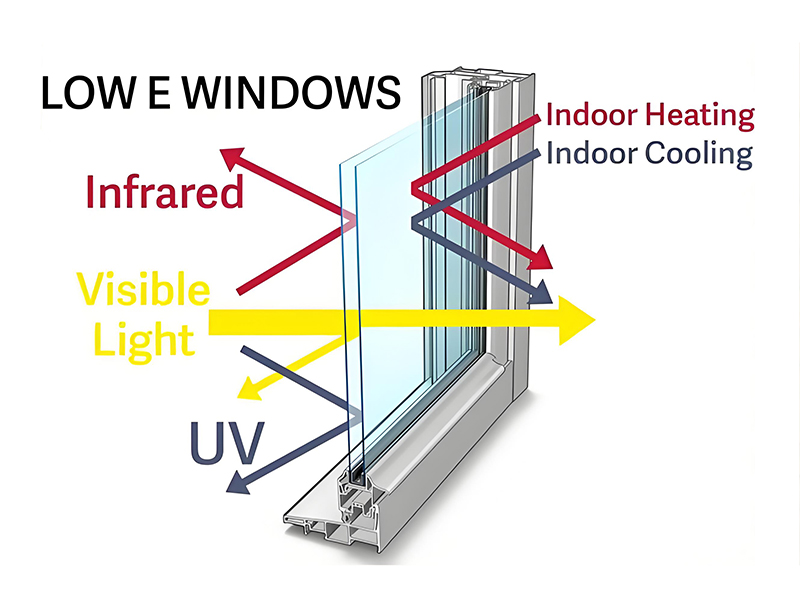
Low-emissivity (Low-E) coatings are microscopically thin metallic layers applied to glass surfaces. These coatings reflect infrared heat while allowing visible light to pass through, making them highly effective for insulation. - Gas Filling (Argon or Krypton)
Replacing air with inert gases such as argon or krypton inside IGUs further enhances insulation by reducing thermal conductivity. - Warm Edge Spacer Systems
Traditional aluminum spacers conduct heat easily. Warm edge spacers use advanced materials to reduce thermal bridging and improve overall performance. - Laminated Insulated Glass
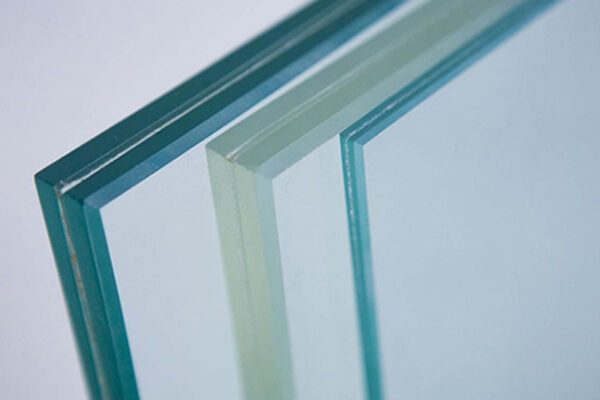
Combining laminated glass with IGU structures not only improves thermal insulation but also enhances safety and sound insulation.
Applications Across Industries
Efforts to improve glass thermal insulation are widely applied across various sectors:
Residential Buildings
Homeowners benefit from reduced energy bills and improved indoor comfort. Insulated glass helps maintain stable indoor temperatures throughout the year.
Commercial Buildings
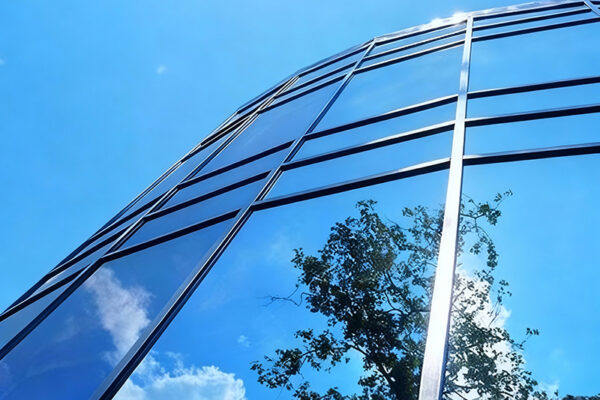
Office towers and shopping malls rely heavily on curtain wall systems. High-performance insulating glass reduces HVAC loads and enhances occupant comfort.
Industrial Facilities
Factories and warehouses use insulated glass to control internal temperatures, especially in regions with extreme climates.
Green Buildings and Sustainable Projects
Energy-efficient glass is a key component in achieving certifications such as LEED. Improving insulation directly contributes to lower carbon emissions.
Manufacturing Process: How We Ensure Superior Performance
As a professional architectural glass manufacturer, we implement strict production processes to ensure every product helps improve glass thermal insulation effectively.
- Raw Material Selection
We start with high-quality float glass substrates, ensuring clarity, uniform thickness, and minimal impurities. - Precision Cutting and Edge Processing
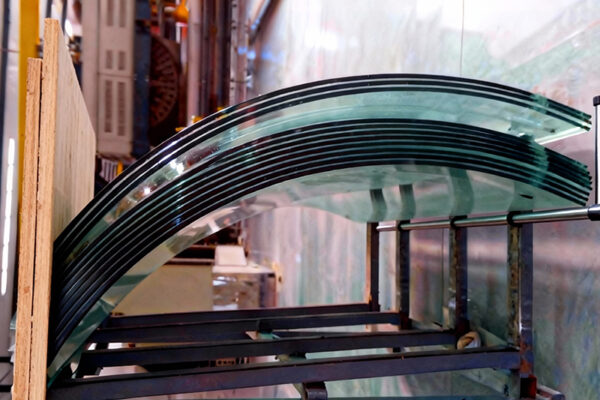
Advanced CNC machines ensure accurate dimensions and smooth edges, which are essential for sealing performance. - Tempering Process
Glass is heat-treated to enhance strength and durability while maintaining its thermal properties. - Coating Application
State-of-the-art coating lines apply Low-E layers with high precision, ensuring consistent performance across batches. - Insulated Glass Assembly
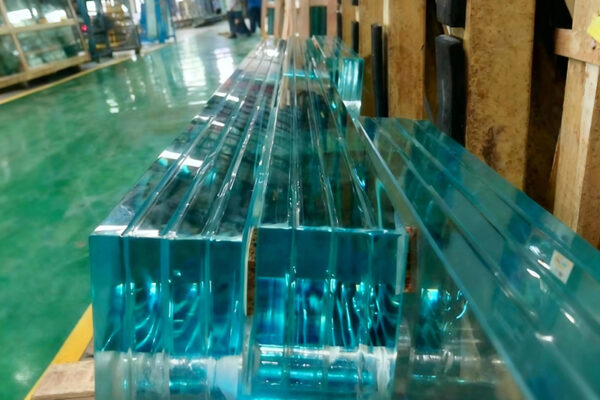
Automated production lines assemble IGUs in controlled environments. Moisture-resistant sealants and desiccants are used to ensure long-term stability. - Quality Inspection and Testing
Each unit undergoes rigorous testing, including U-value measurement, sealing performance checks, and environmental simulations.
Our Competitive Advantage
We understand that to truly improve glass thermal insulation, consistent quality and innovation are critical. Our factory integrates advanced equipment, experienced engineering teams, and strict quality control systems.
We also offer customized solutions based on project requirements, including glass thickness, coating types, and gas filling options. By combining technical expertise with flexible production capabilities, we help clients achieve optimal energy performance.