Anti-Reflective Glass = AR Glass, Transparent Rate 98% +
Wonderful Construction Glass World
// Anti Reflective //
Anti-Reflective Glass: Precision-Crafted for Global Applications
Anti-reflective glass, also known as AR glass, we supplies single coated and double coated anti-reflective glass.
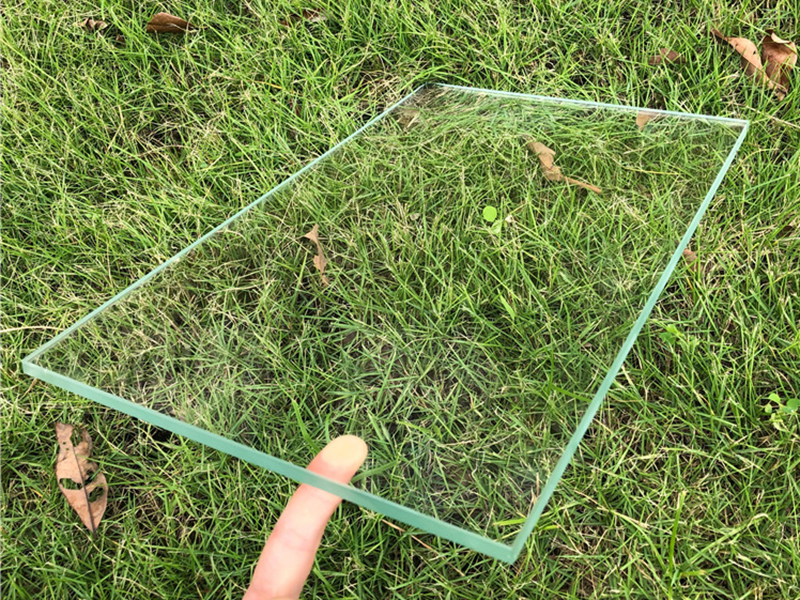
Anti Reflective Glass is produced by applying a specialized coating on one or both surfaces of ultra-clear glass. This coating reduces reflectance from approximately 8% (standard glass) to less than 1–2%, depending on the specification. The result is improved visual clarity, enhanced transparency, and reduced glare.
The glass maintains high light transmission while minimizing unwanted reflections. It is particularly suitable for applications where visibility and aesthetics are critical.
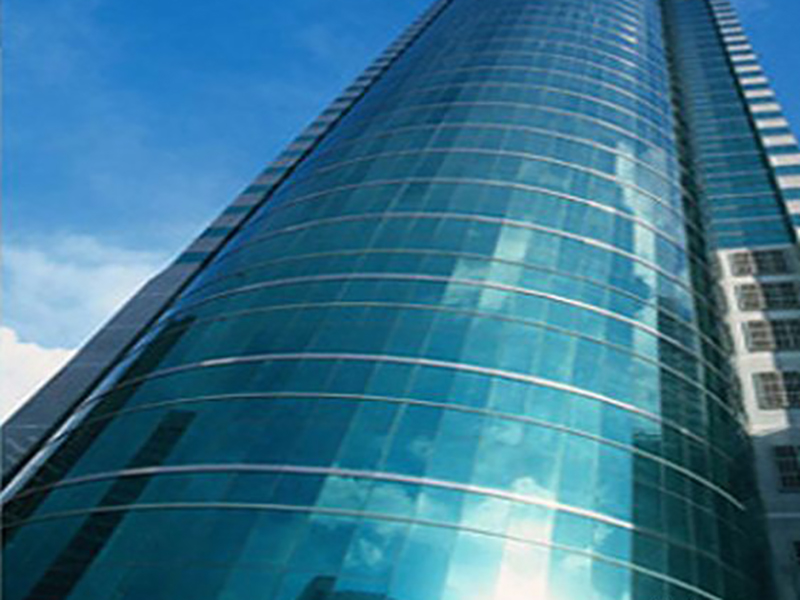
In architectural applications, Anti-Reflective Glass enhances the true appearance of building façades, display windows, curtain walls, skylights, and glass partitions by minimizing glare and unwanted mirror effects.
Anti-Reflective Glasss Manufacturing Process
he production of anti-reflective glass for architectural use involves several precise and controlled steps to ensure high transparency and low reflectance.
First, high-quality float glass or tempered glass is selected as the substrate. The glass is thoroughly cleaned to remove any dust, oils, or impurities that could affect coating adhesion or optical performance.
Next, an anti-reflective coating is applied. This coating typically consists of multiple layers of metal oxides, such as silicon dioxide or titanium dioxide. The layers are deposited using advanced techniques like magnetron sputtering or chemical vapor deposition. Each layer is carefully controlled in thickness at the nanometer scale, creating a micro-structured surface that reduces reflection and increases light transmission.
After coating, the glass undergoes thermal curing or annealing to stabilize the coating and enhance durability. This process ensures the anti-reflective layer adheres firmly and maintains performance over time, even under outdoor environmental conditions.
Finally, the glass may be further processed depending on its intended architectural application. It can be tempered, laminated, or assembled into insulated glass units, providing safety, structural strength, and energy efficiency. The finished anti-reflective glass achieves over 98% light transmission, providing clear, glare-free visibility for facades, display cases, solar panels, and premium residential windows.
Advantages of Anti-Reflective Glass
Ultra-Low Reflection Rate: Reduces glare and improves visual comfort, making it ideal for display screens, museum exhibits, and high-end windows.
High Light Transmittance: Maximizes natural light penetration while maintaining energy efficiency, reducing reliance on artificial lighting.
Durable Hard Coat: Chemically bonded AR coating resists scratches, abrasion, and environmental degradation, ensuring long-term performance.
Eco-Friendly Design: Lowers light pollution and supports sustainable building practices by optimizing energy use.
UV Protection: Filters harmful ultraviolet rays, safeguarding interior furnishings from fading and degradation.
Why Anti-Reflective Glass is Trending?
- Zero-Glare Design: Eliminates 90%+ of surface reflections, creating a crystal-clear view for façades, display windows, and solar panels.
- Maximized Natural Light: Boosts daylighting efficiency by 30%, reducing reliance on artificial lighting and cutting energy costs.
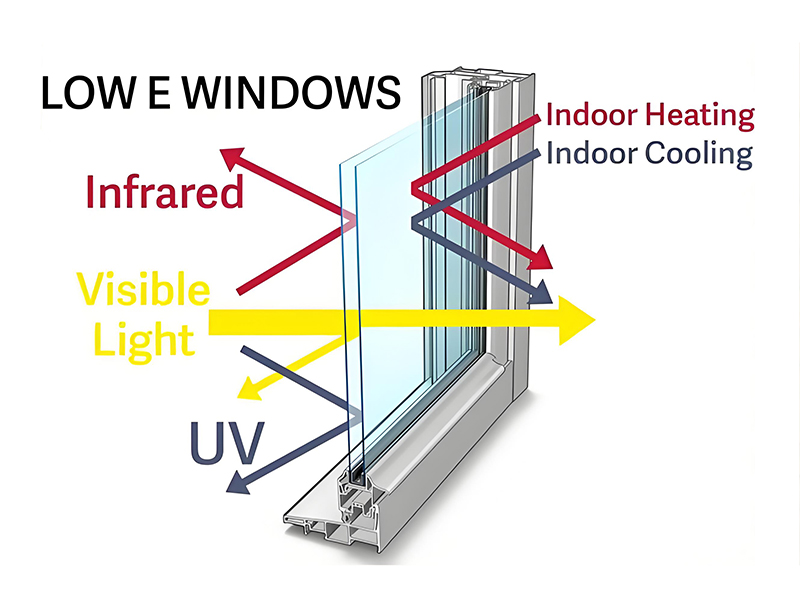
- Smart Integration: Compatible with low-E coatings, photovoltaic cells, and switchable glass, making it a key player in net-zero energy buildings.
- Aesthetic Flexibility: Available in clear, tinted, or patterned options, perfect for minimalist design, biophilic architecture, and smart cities.
Transmittance and Thickness
Thickness 2.7-4mm | Max.Size 2440*1830 mm;
Double-sided coated; Light Transmittance 98%; Reflective <1%
Double-Single coated; Light Transmittance 94%; Reflective <4%
Thickness 5-6mm | Max.Size 3660*2440 mm;
Double-sided coated; Light Transmittance 99%; Reflective <1%
Double-Single coated; Light Transmittance 95%; Reflective <5%
Thickness 8/10/12mm | Max.Size 3660*2440 mm;
Double-sided coated; Light Transmittance 98%; Reflective <1%
Double-Single coated; Light Transmittance 94%; Reflective <5%
Applications in the Architectural Field
Anti-Reflective Glass is widely used in high-end architectural and commercial projects.
1) Curtain Wall Systems
In large-scale curtain wall façades, excessive reflection can cause:
- Visual pollution
- Light glare to pedestrians and drivers
- Unwanted mirror effects
AR Glass improves façade transparency and allows architects to achieve a “crystal-clear” visual effect.
2) Shopfronts and Display Windows
Retail storefronts require maximum visibility. Anti-Reflective Glass:
- Eliminates distracting reflections
- Enhances product visibility
- Improves customer experience
3) Skylights and Glass Roofs
In overhead glazing systems, AR coating:
- Maximizes natural daylight
- Reduces glare
- Improves interior comfort
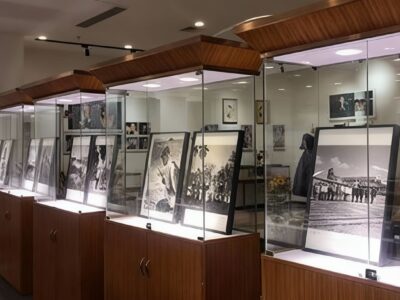
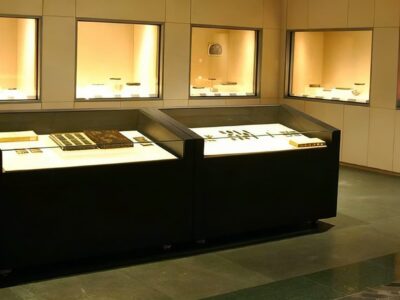
4) Museums and Exhibition Spaces
For display showcases, AR Glass ensures:
- Accurate color presentation
- Reduced glare
- Better viewing quality
5) Solar Applications
Although primarily architectural, AR coatings are also used in photovoltaic panels to increase light absorption efficiency.
Advantages of Anti-Reflective Glass
- Ultra-high transparency
- Reduced glare and light pollution
- Improved façade aesthetics
- Enhanced interior daylighting
- Better visual comfort
- Energy-saving potential when combined with Low-E or insulated glass units
Combination with Other Architectural Glass Types
Anti-Reflective Glass can be processed into:
- Tempered AR Glass
- Laminated AR Glass
- Insulating AR Glass
- Ultra-clear AR Glass
It can also be integrated into double or triple glazing systems to meet structural and thermal performance requirements.
Conclusion
In modern architecture, transparency and visual performance are critical design elements. Anti-Reflective Glass significantly enhances optical clarity by reducing surface reflectance and increasing light transmission, even as glass thickness increases.
For high-end curtain walls, skylights, commercial façades, and display glazing, Anti-Reflective Glass provides superior aesthetics and functional performance. As architectural trends move toward minimalist and highly transparent designs, AR Glass is becoming an essential material in contemporary building engineering.
Link:
Glass Application