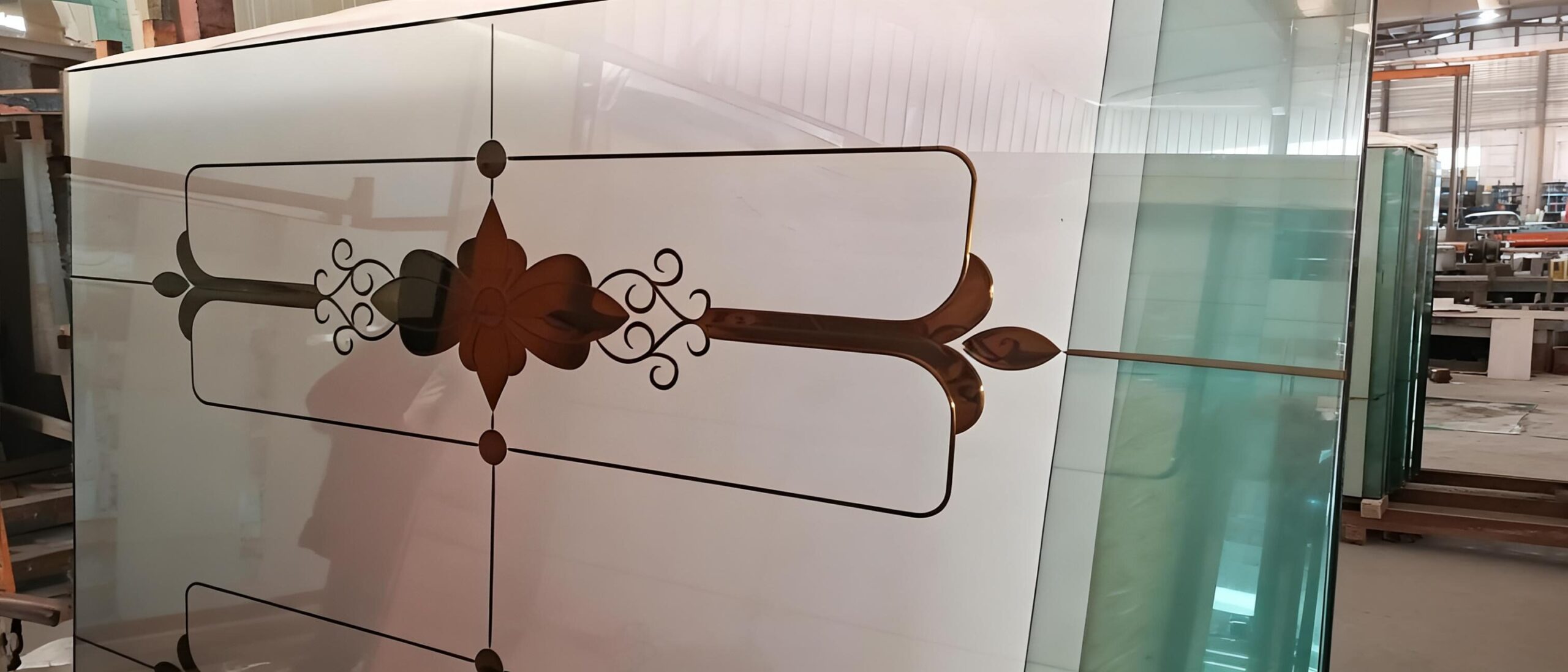
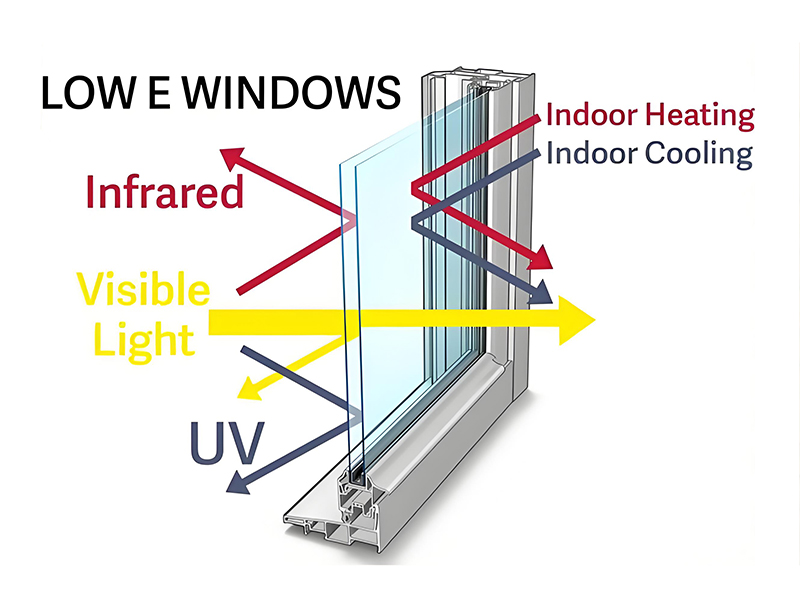
.

Leading Building Glass Factory

Reliable Supply, Remarkable Quality — Choose Vivois Glass

//  FAQ  //           

Building Glass Factory answer some frequently asked questions

The difference between tempering and non-tempering?

1. Strength and Impact Resistance

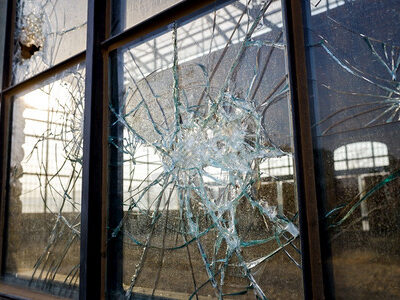
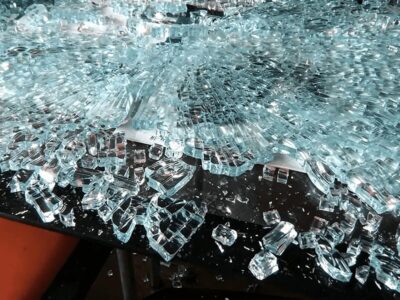
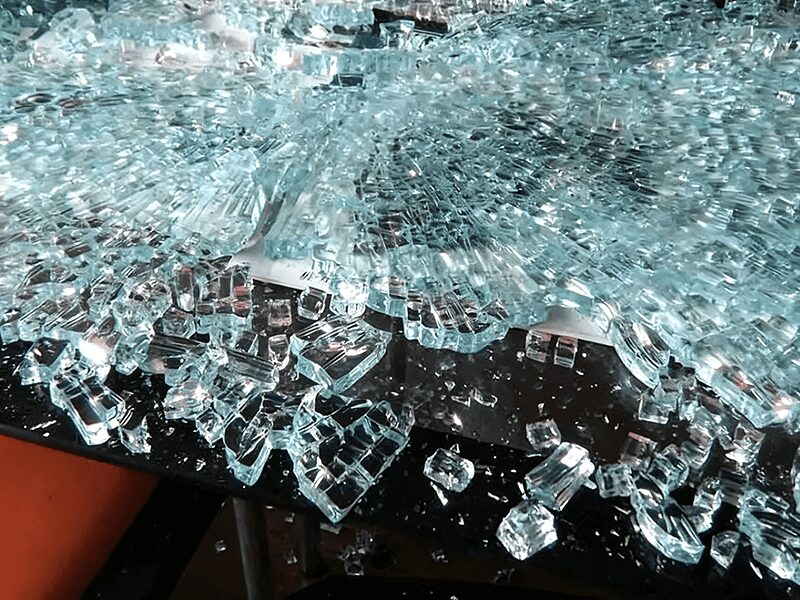
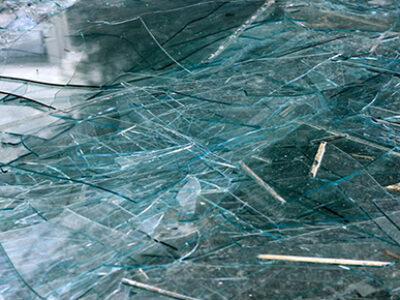
Tempered glass is 3 to 5 times stronger than ordinary glass, with enhanced bending and impact resistance, making it less prone to breakage. When tempered glass shatters, it disintegrates into small, relatively uniform pieces with rounded edges, rather than sharp, jagged shards. This greatly lowers the risk of serious cuts or deep injuries.

Float glass is fragile and prone to cracking under minor impacts, temperature differences, or compression.

temperated-glass-breaked-6S

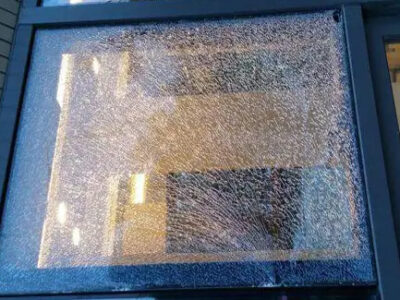
Float Glass, non-tempered, can be cutted

9543.jpg_wh300

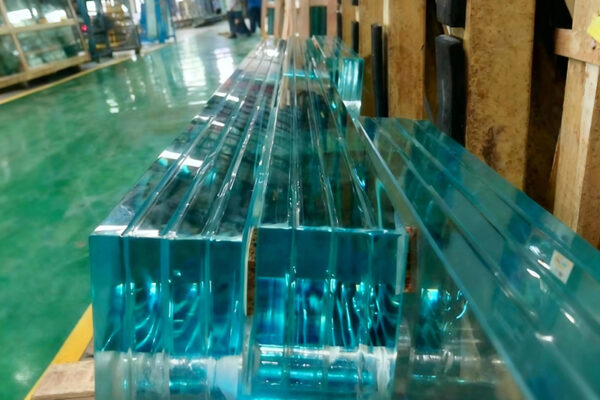
Laminated Glass, non-tempered, can be cutted

Tempered Glass Spontaneous Breakage

Tempered Glass, can’t be cutted

temperated-glass-breaked-210

Laminated Glass + Tempered Glass, can’t be cutted

Unfortunately, it can’t avoid tempered glass self-exploding entirely under the current technology. We have do best to control self-exploding by pural material and processing temperature.

Yes, but it is usually processed into insulated or laminated systems for façade applications.Float glass has moderate strength. It is better to be typically processed into tempered or laminated glass for safety.

Yes, tempered glass is recyclable.

Laminated glass has become a top choice in architectural applications due to its enhanced safety, durability, and comfort performance. Compared to standard glass, it delivers multiple functional advantages that meet modern building requirements.

Key Benefits of Laminated Glass:

  • Enhanced Safety & Security
    Laminated glass is a high-performance safety glass. Even when shattered, the interlayer holds the fragments together, preventing dangerous breakage and reducing injury risk—ideal for facades, railings, and skylights.
  • Superior Impact Resistance
    Designed to withstand strong impacts, laminated glass offers protection against forced entry, accidental collisions, and even extreme conditions such as storms or seismic activity.
  • Excellent Sound Insulation
    The interlayer effectively dampens sound transmission, making laminated glass a preferred solution for noise reduction in offices, hotels, and residential buildings near busy streets.
  • UV Protection & Interior Preservation
    Laminated glass blocks a high percentage of harmful UV rays, helping protect occupants’ health while preventing fading of furniture, flooring, and interior decorations.

In summary, laminated glass is not just a material—it is a multi-functional architectural solution that improves safety, comfort, and long-term building performance, making it highly valued in modern construction projects worldwide.

Laminated glass is known for its long lifespan and durability, making it a reliable choice for both residential and commercial buildings. Under normal conditions, high-quality laminated glass can typically last 20 to 30 years or more.

Factors affecting laminated glass lifespan include:

  • Environmental Exposure
    In exterior applications exposed to strong sunlight, high temperatures, humidity, or heavy rainfall, the interlayer may gradually experience slight discoloration or edge delamination over time.
  • Installation Quality
    Proper sealing and professional installation significantly extend the service life by preventing moisture ingress and edge damage.
  • Material Quality
    Premium interlayers (such as PVB or SGP) and high-grade glass improve long-term performance and resistance to aging.

Important Note:
Even if minor aging effects such as edge bubbling or fading occur over time, the safety performance of laminated glass remains intact, as the interlayer continues to hold the glass fragments together upon impact.

In summary, laminated glass offers a long-lasting, low-maintenance solution with excellent safety and stability, making it ideal for modern architectural applications.

Whether laminated glass can be cut or drilled depends on its processing stage and whether it has been tempered.

  • Before Lamination (Annealed Glass Condition)
    If the glass plies are still in their annealed (non-tempered) state, they can be cut, drilled, edged, or shaped before the lamination process. All fabrication work must be completed prior to bonding the interlayer.
  • After Lamination
    Once the glass has been laminated, it becomes a sealed safety unit. At this stage, it cannot be cut, drilled, or modified, as any mechanical processing will damage the interlayer and destroy the structural integrity.
  • If Tempered Glass is Used in Laminated Glass
    When laminated glass is made with tempered glass layers, all cutting and drilling must be completed before tempering and lamination. After tempering, no further processing is possible.

In summary, all shaping, drilling, and edge processing must be completed before tempering and lamination. Once finished, laminated glass cannot be reworked without damaging its structure and safety performance.

Laminated glass cannot be tinted after it has already been manufactured. Any color treatment must be completed before or during the lamination process, not afterward.

There are two common methods to produce colored laminated glass:

  • Using tinted (colored) glass panes
    The glass is first produced as tinted float glass, and then laminated together with the interlayer to achieve a permanent color effect.
  • Using colored interlayers
    Clear glass is laminated with a colored PVB or EVA interlayer, which provides a wide range of design colors and light transmission options.

In summary, laminated glass color cannot be added after production. Instead, color must be integrated either through tinted base glass or colored interlayers during lamination, ensuring stable, long-lasting visual performance.

Powerful Building Glass Factory Solutions

A professional Building Glass Factory is the foundation of modern architectural development. From commercial curtain walls to residential window systems, high-quality architectural glass determines safety, energy efficiency, and aesthetic performance. As an experienced Building Glass Factory, we specialize in manufacturing float glass, tempered glass, laminated glass, insulating glass, Low-E glass, and reflective glass for global construction markets.

Our factory integrates advanced production lines, strict quality control systems, and international export experience to support contractors, developers, and distributors worldwide.

Main Products
Tempered Glass
Tempered Glass
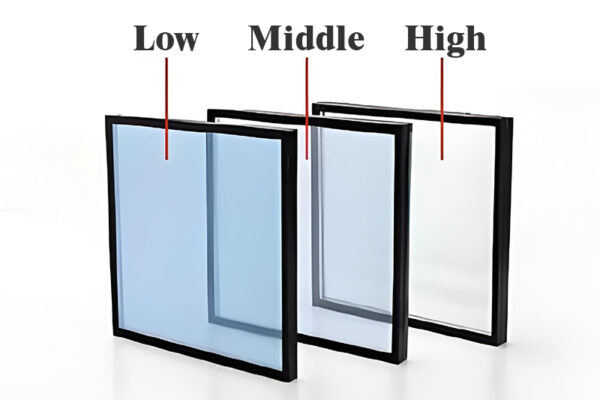
low E transparent Low Middle High
Low-e Glass
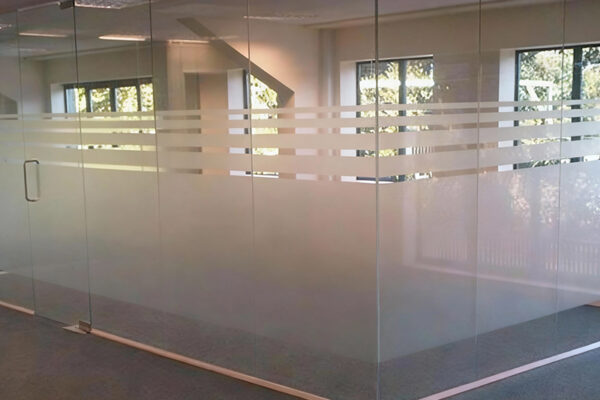
Frosted Glass
Frosted Glass
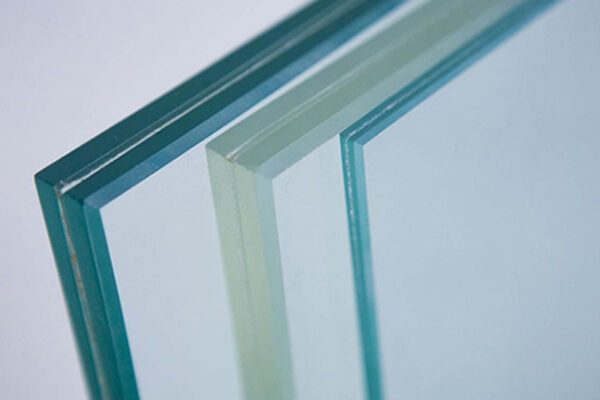
laminated glass
Laminated Glass
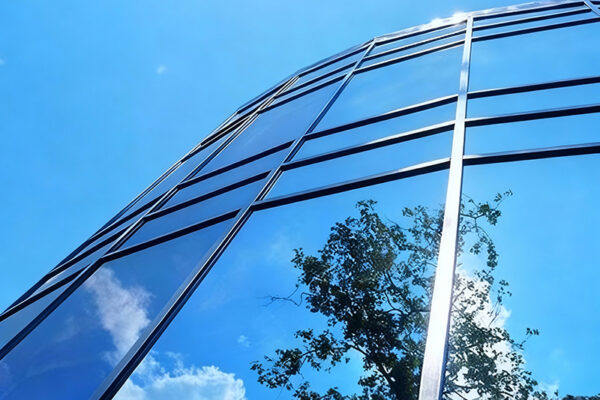
reflective glass
Reflective Glass
Decorative Laminated Glass
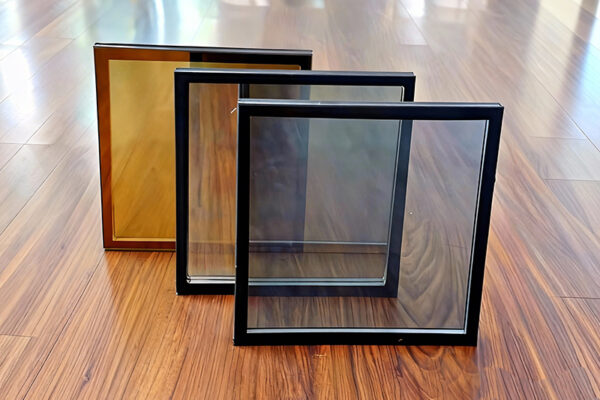
Insulated Glass
Architectural Glass Manufacturer China
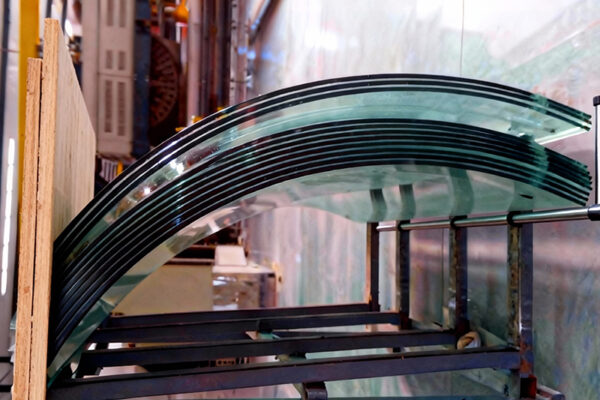
Curved Glass
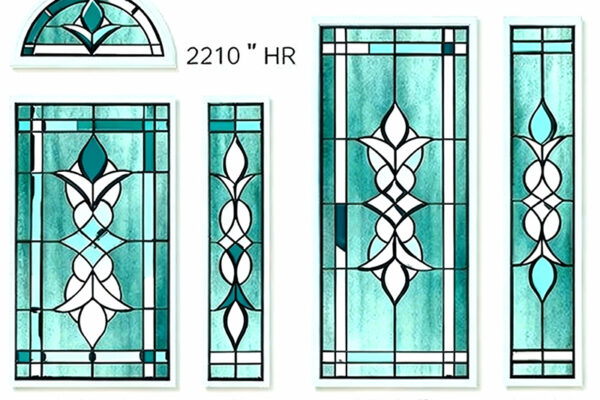
decorative mosaic glass
Decorative

Your Trusted Global Partner

A reliable Building Glass Factory is more than a manufacturer—it is a strategic partner in modern construction. By offering float glass, tempered glass, laminated glass, insulating glass, Low-E glass, and reflective glass, we provide comprehensive architectural glazing solutions.

Whether your project focuses on safety, energy efficiency, aesthetics, or structural durability, our Building Glass Factory delivers consistent quality and competitive factory pricing.

Contact us today to explore professional glass solutions tailored to your next building project.

…Building Glass Factory – Vivois Solution…Building Glass Factory…Building Glass Factory…Building Glass Factory…Building Glass Factory…Building Glass Factory…Building Glass Factory…Building Glass Factory…Building Glass Factory…Building Glass Factory…Building Glass Factory…Building Glass Factory…Building Glass Factory