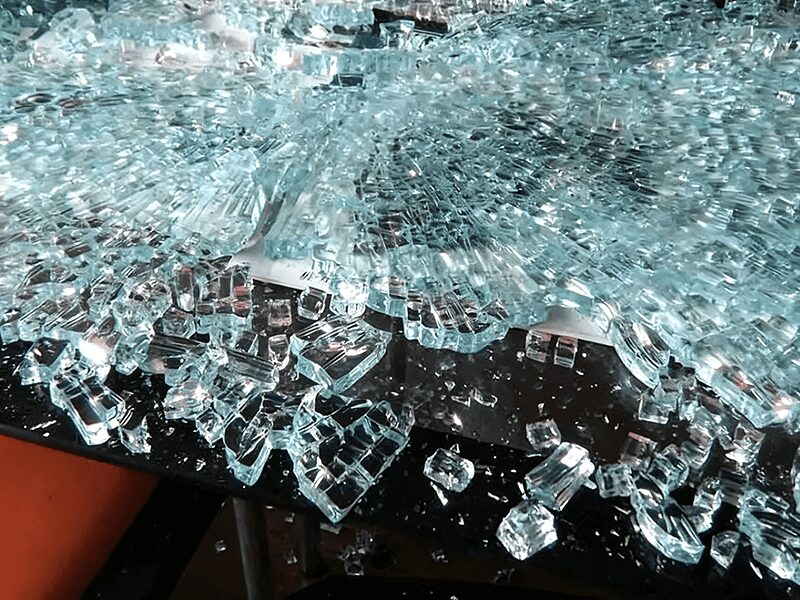
As architectural innovation pushes boundaries, glass floors have emerged as a transformative solution, seamlessly blending functionality with aesthetic brilliance. Crafted from high-performance glass, these floors are designed for diverse environments—residential spaces, commercial exhibition halls, industrial workshops, office buildings, and even specialized settings like hospitals or military facilities. By harnessing the unique properties of glass, designers can create immersive experiences that redefine spatial perception.
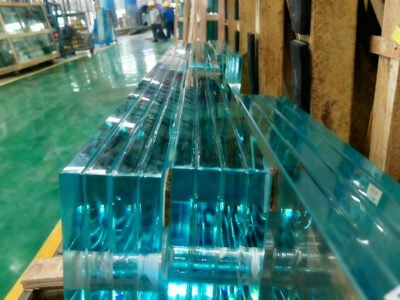
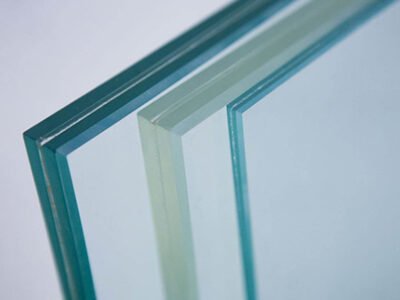
Glass floors are engineered for durability, utilizing tempered glass as their core material. This process involves heating and rapid cooling, significantly enhancing the glass’s strength and stability. The result? A surface that can withstand heavy foot traffic, dynamic loads, and even accidental impacts without compromising integrity. For added safety, ** laminated tempered glass**—featuring an interlayer of polyvinyl butyral (PVB)—is often employed. This advanced material ensures that if subjected to extreme force, the glass remains intact, minimizing injury risks and maintaining structural reliability.
One of glass’s most remarkable attributes is its exceptional light permeability. By incorporating glass floors, architects can maximize natural illumination, reducing reliance on artificial lighting and creating a brighter, more inviting atmosphere. This transparency also visually expands spaces, making rooms appear larger and more open. Whether used in residential lofts or commercial atriums, glass floors introduce a sense of weightlessness, fostering a modern and airy ambiance.
Unlike traditional flooring materials such as wood or carpet, glass floors offer unparalleled ease of cleaning. Composed primarily of silica, they are resistant to corrosion, moisture, and insect infestations. Routine maintenance is straightforward—simply wipe with water or a mild cleaner to restore shine. This low-maintenance feature makes glass floors ideal for high-traffic areas or environments where hygiene is critical, such as hospitals or laboratories.
contexts. In scientific research facilities, researchers can safely conduct experiments or observe processes occurring beneath the transparent surface. Similarly, in architectural installations, glass floors create dramatic visual effects, such as suspended walkways or interactive exhibits, captivating audiences with their innovative design.
The selection of glass for floors depends on specific requirements, balancing safety, performance, and design intent. Common options include:
By customizing the thickness and number of layers, manufacturers can optimize glass floors for unique applications, ensuring they meet stringent safety standards while delivering aesthetic excellence.
As a leading exporter of architectural glass solutions, we specialize in crafting custom-engineered glass floors that redefine spaces with elegance and resilience. Our products feature:
Whether you’re envisioning a stunning residential feature or a high-performance commercial installation, our expertise ensures a flawless blend of form and function.
Transform your space with glass floors that inspire confidence and innovation. Contact us today to explore how our solutions can elevate your architectural vision.
As a leading manufacturer specializing in high-performance architectural glass, we deliver innovative and cost-effective solutions for modern construction projects worldwide. Our core product portfolio includes:
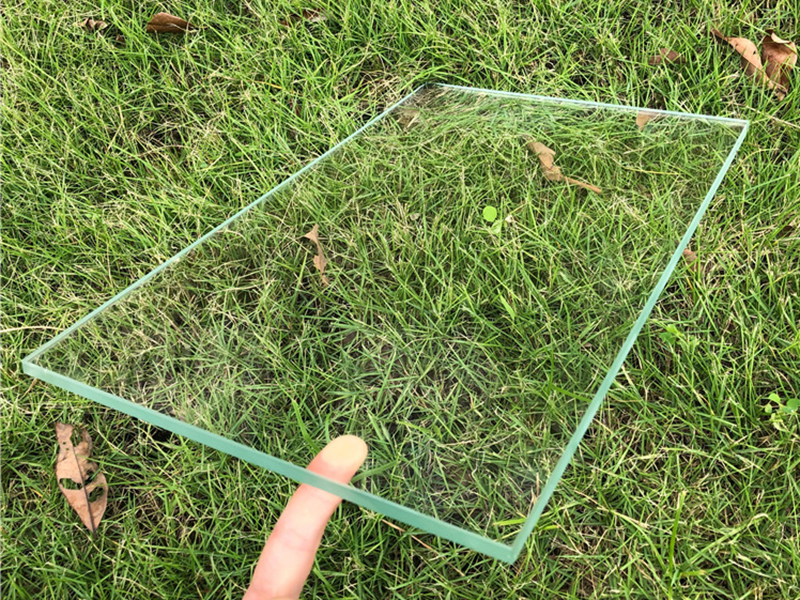
Tempered Safety Glass (EN 12150-1 certified) [ Tempered Glass | Laminated Glass | Doors & Windows | Glass Floor ]
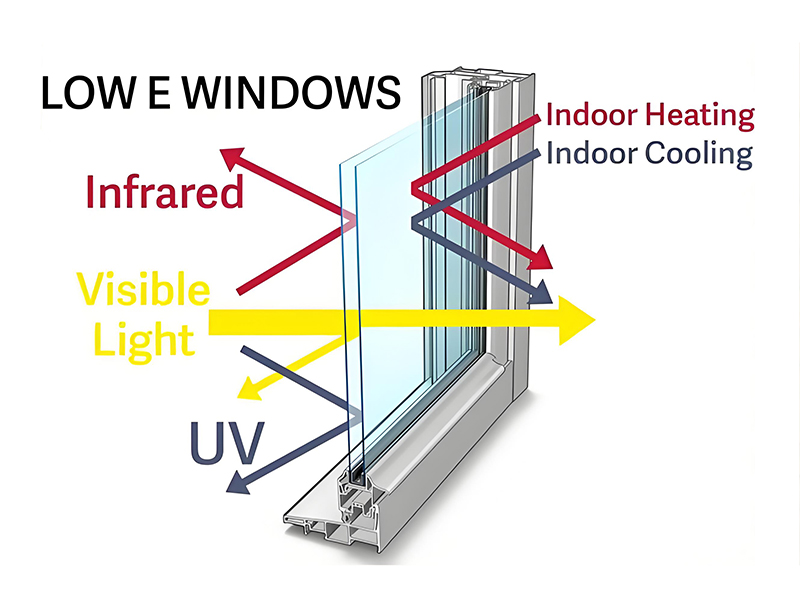
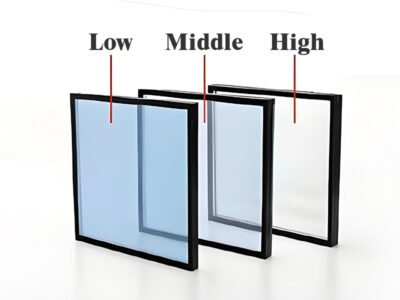
Energy-Efficient Low-E Glass (U-value ≤ 1.1 W/m²K) [ Low-e Glass | Insulating Glass ]
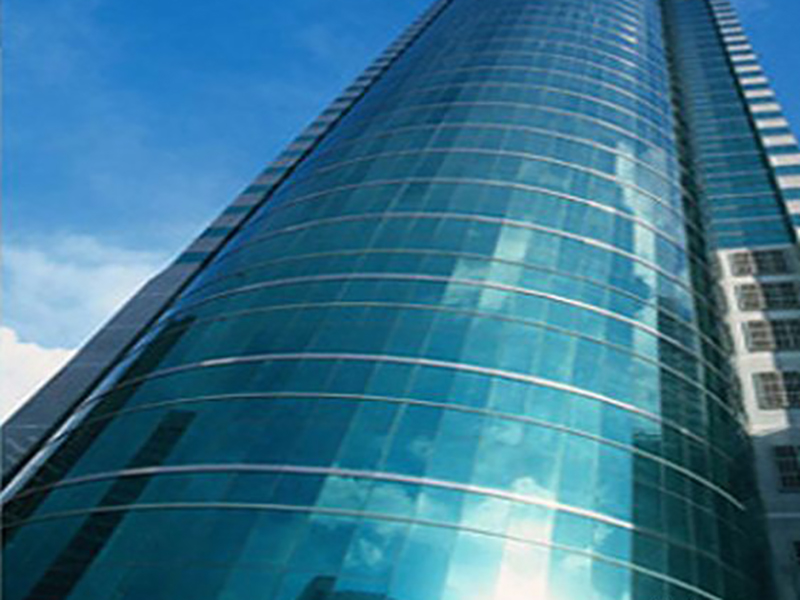
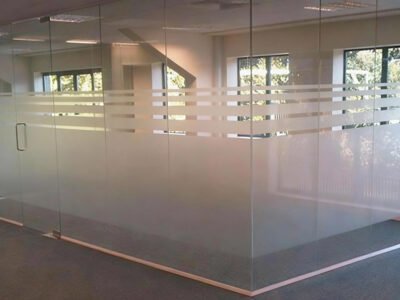
Single/Durable Coated Glass (Anti-reflective, self-cleaning options) [ Reflective Glass | Color Glass | Dichroic Glass ]
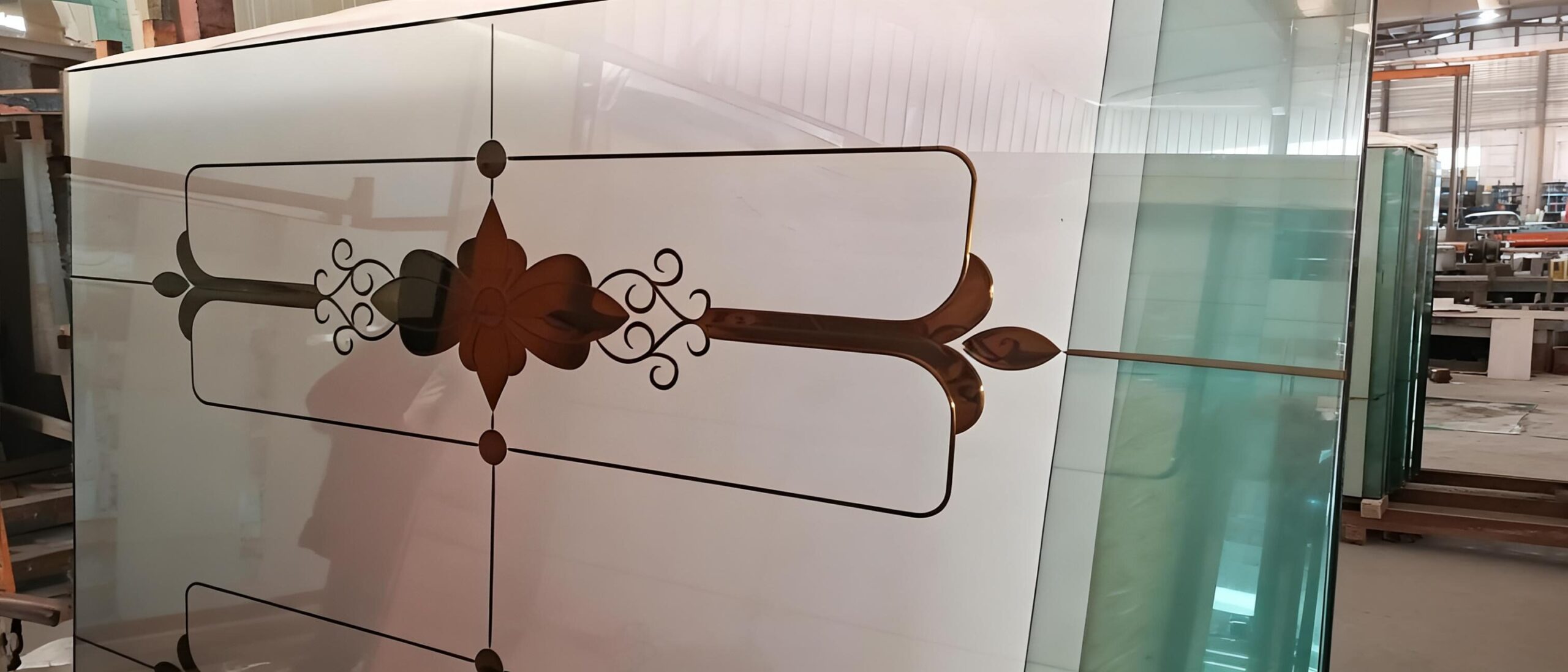
Custom Art Glass (Irregular shapes, patterns, and textures)