What Is Low E Glass?
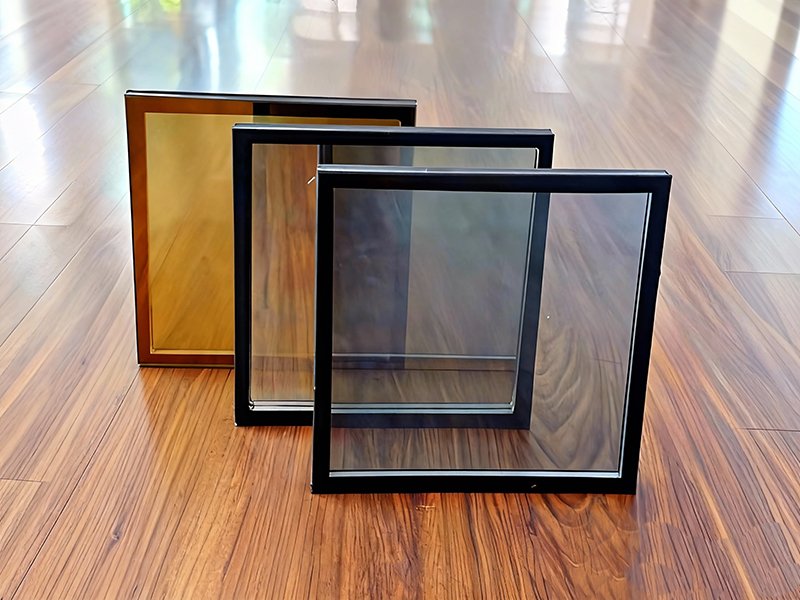
Low-e Glass, short for low-emissivity glass, is a type of coated energy-saving glass designed to minimize the amount of infrared and ultraviolet light passing through glass without reducing visible light transmission.
A microscopically thin metallic oxide coating is applied to the glass surface. This invisible layer reflects heat while allowing natural daylight to enter. The result is improved insulation performance compared to standard float glass.
Low-e Glass is commonly used in insulating glass units (IGU), double glazing, and triple glazing systems to optimize thermal efficiency in both hot and cold climates.
Manufacturing Process of Low E Glass Panel
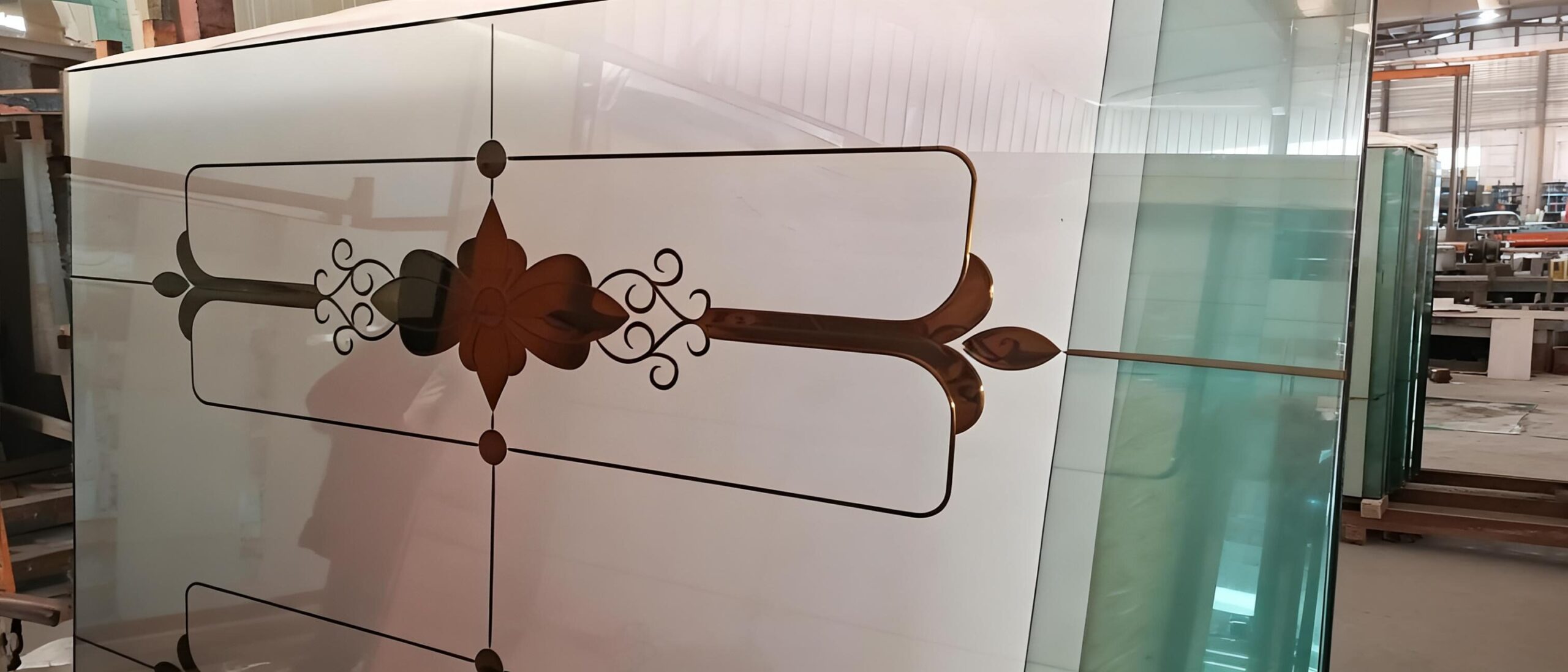
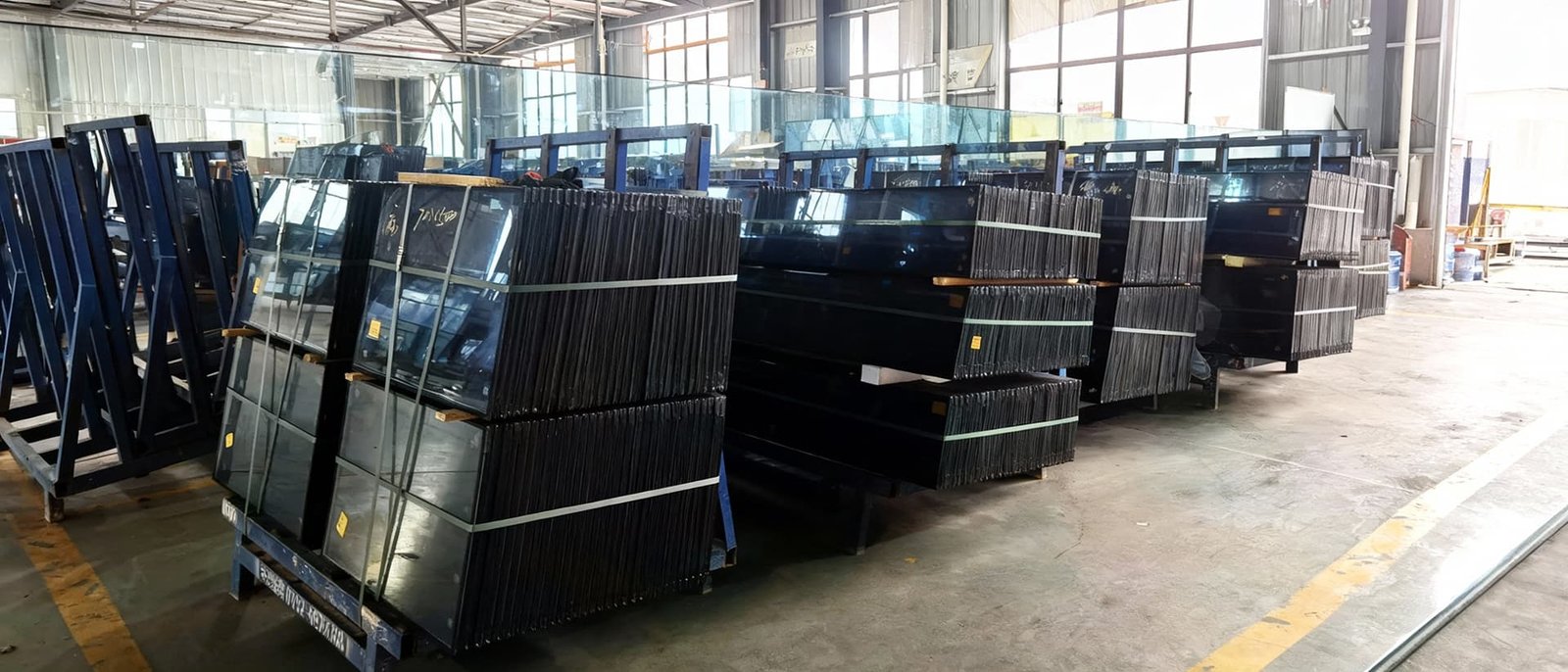
As a specialized architectural glass factory, we manufacture LowE Glass using advanced coating technology and strict quality control systems.
High-Quality Float Glass Selection
Production begins with premium float glass substrates. The clarity and flatness of the base glass directly influence the final coating performance.Vacuum Magnetron Sputtering Coating
The low-emissivity coating is applied using magnetron sputtering technology inside a high-vacuum chamber. Multiple ultra-thin metal layers are deposited onto the glass surface to create precise thermal reflection properties.Online vs. Offline Coating
Low emissivity glass can be produced using pyrolytic (online) coating or sputtered (offline) coating methods. The offline-coated version offers superior energy performance and is commonly used in insulating glass units.Tempering and Laminating Compatibility
Our LowE Glass can be tempered, laminated, or assembled into double or triple glazing units, depending on project requirements.Insulating Glass Unit Assembly
To maximize performance, the glass is often sealed into IGUs with argon gas filling and warm-edge spacers, further improving thermal efficiency.Strict Quality Inspection
Every batch of glass undergoes rigorous testing, including:
Visible light transmission testing
U-value measurement
Solar heat gain coefficient analysis
Coating adhesion inspection
Why Choose Our Low E Glass Sheet
- CE & ISO Certified: Ensures durability, safety, and international compliance.
- Customizable Solutions: Tailored coatings, thickness, and gas fills (Argon/Krypton) for specific project needs.
- Fast Global Delivery: Optimized logistics for overseas clients with FOB (Free On Board) and CIF (Cost, Insurance, Freight) options.
Join the movement toward smarter, greener, and more cost-effective buildings! Contact us today to explore how Low-e Glass can elevate your next project.
7 Powerful Energy-Saving Benefits
In modern architecture, energy efficiency is no longer optional—it is essential. Low-e Glass has become one of the most important innovations in building envelope technology. Designed to improve thermal performance while maintaining high transparency, this advanced coated glass solution delivers measurable energy savings and superior indoor comfort.
As a professional architectural glass manufacturer, we produce high-performance Low-e Glass tailored for commercial, residential, and industrial applications worldwide.
Superior Thermal Insulation
The low-emissivity coating reflects interior heat back into the building during winter and blocks external heat during summer. This significantly reduces heating and cooling loads.Lower Energy Costs
Buildings using this technology require less energy for temperature control. Reduced HVAC demand directly translates into lower electricity and operational costs.UV Protection
The coating blocks a large percentage of harmful ultraviolet radiation, protecting furniture, flooring, artwork, and interior finishes from fading.Enhanced Indoor Comfort
By minimizing cold spots near windows and reducing overheating, this glass creates a more stable indoor environment with consistent temperatures.Improved Daylighting
Unlike tinted or reflective glass, it maintains high visible light transmission while controlling solar heat gain.Condensation Reduction
The improved interior surface temperature reduces condensation risk, especially in colder climates.Environmental Sustainability
Lower energy consumption reduces carbon emissions, helping buildings meet green building standards and sustainability certifications.
Applications
Residential Buildings
In homes and apartments, the glass enhances comfort while reducing energy bills. It is ideal for:
Windows and sliding doors
Skylights
Curtain walls
Sunrooms
Commercial Buildings
Office buildings and shopping centers benefit from energy-efficient glazing systems that reduce operational costs and improve indoor climate control.
High-Rise Facades
This glass is commonly integrated into curtain wall systems for skyscrapers, ensuring thermal performance while preserving aesthetic transparency.
Industrial and Institutional Projects
Hospitals, schools, and factories rely on this glass to maintain stable internal environments and comply with energy efficiency standards.
Vivois Coated Glass:
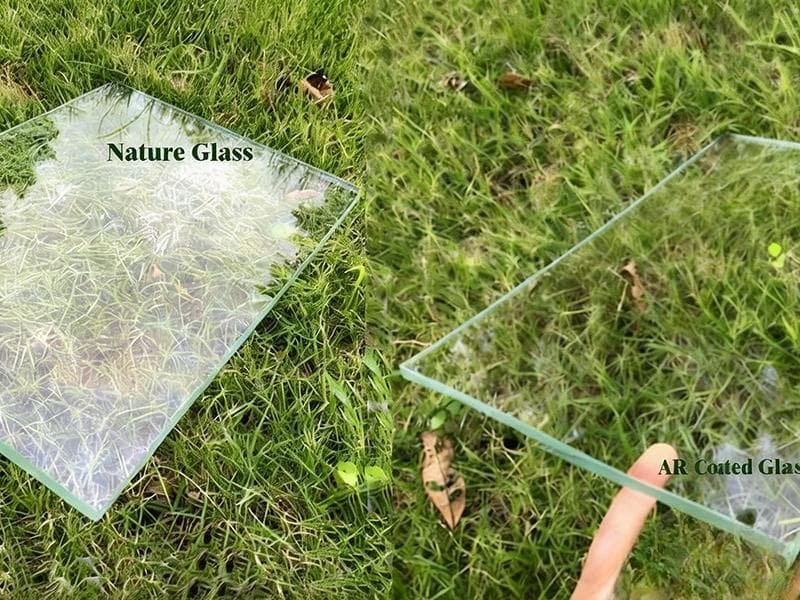
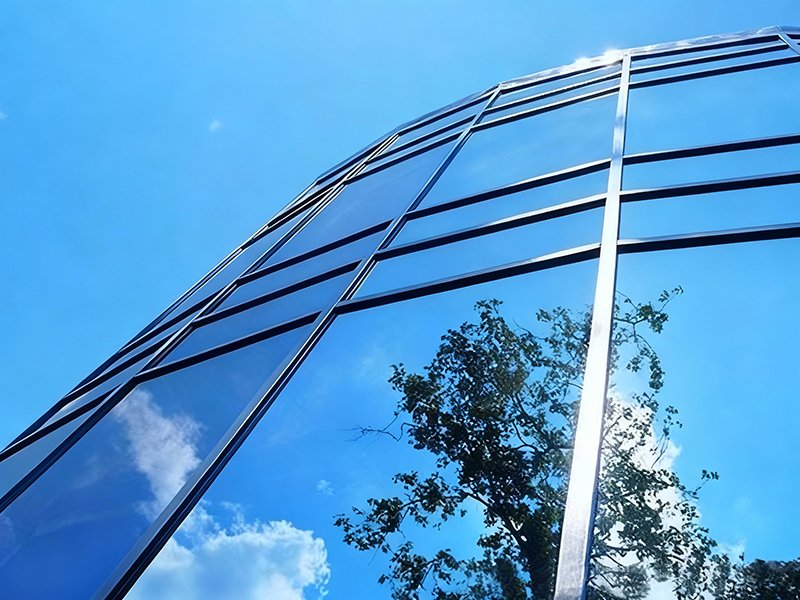
- Solar heat rejection
- Glare reduction
- Enhanced privacy
- A visually appealing mirror-like effect