
Bulletproof & Anti-Smashing Glass – Your First Line of High-Security Defense
Bulletproof & Anti-Smashing Glass – Your First Line of High-Security Defense
// Glass Safety & Security Solutions //
Safety Glass or Security Glass: 4 levels
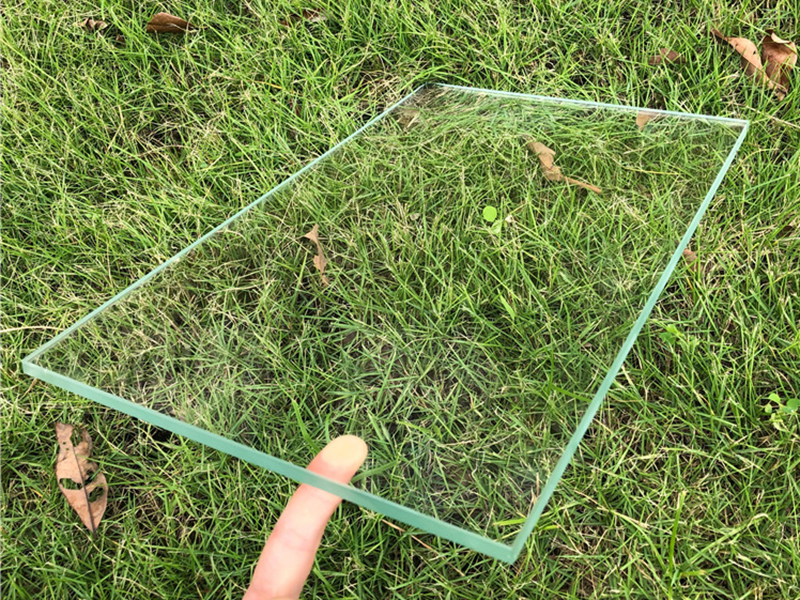
In modern architecture and safety glass engineering, selecting the right type of glass is critical for structural integrity, security, and long-term performance. Among the most widely specified safety glazing products are Bulletproof & Anti-smashing Glass, Glass Plank Road Glass, Laminated Glass, and Tempered Glass.
Although all four belong to the safety glass category, their manufacturing processes, performance levels, and quality standards are significantly different. Below is a detailed comparison based on production technology and international quality standards, written for architects, contractors, and project developers seeking reliable information.
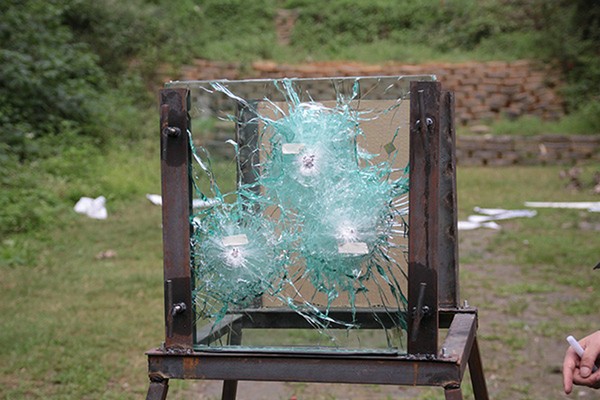
1. Bulletproof & Anti-smashing Glass
Production Process
Bulletproof & Anti-smashing Glass is a high-security composite glazing system. It is manufactured by laminating multiple layers of glass with high-performance interlayers such as PVB, SGP, or polycarbonate.
The process includes:
Precision cutting of float glass sheets
Tempering or heat strengthening (if required)
Multi-layer lamination under high pressure and temperature
Autoclave bonding for structural integrity
Unlike standard Laminated Glass, Bulletproof & Anti-smashing Glass may contain polycarbonate layers that absorb and disperse projectile energy.
Quality Standards
Bulletproof & Anti-smashing Glass must comply with strict international ballistic and impact resistance standards, such as:
- EN 1063 (Europe)
- UL 752 (United States)
- NIJ 0108.01 (National Institute of Justice)
These standards classify glass based on resistance to firearms, forced entry, and heavy impact. Testing includes multi-shot ballistic resistance and anti-hammer impact performance.
Key Characteristics
Multi-layer security structure
High impact and penetration resistance
Glass fragments remain bonded after impact
Used in banks, embassies, jewelry stores, and high-risk facilities
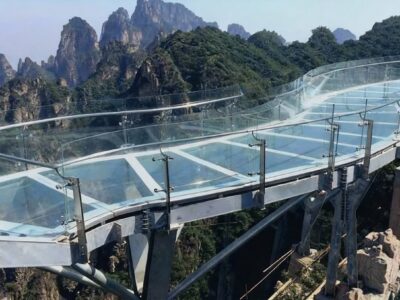
Production Process
Glass Plank Road Glass is engineered for structural load-bearing applications such as glass bridges, skywalks, and scenic platforms.
It is typically produced using:
Extra-thick tempered glass panels
Multi-layer laminated configurations
SGP interlayers for high structural strength
Heat soaking test (HST) to reduce spontaneous breakage
Multiple tempered glass panels are laminated together to form a heavy-duty composite panel capable of supporting dynamic loads.
Quality Standards
Glass Plank Road Glass must meet strict structural and safety standards, including:
ASTM C1048 (Tempered Glass)
ASTM C1172 (Laminated Glass)
EN 14449 (Laminated safety glass)
Local structural load standards for pedestrian bridges
Load-bearing capacity, slip resistance, and post-breakage performance are critical evaluation factors.
Key Characteristics
Extremely high load-bearing capacity
Designed for outdoor exposure
Anti-slip surface treatment available
Maintains structural integrity after breakage
Compared to standard Laminated Glass, Glass Plank Road Glass is significantly thicker and engineered specifically for structural flooring applications.
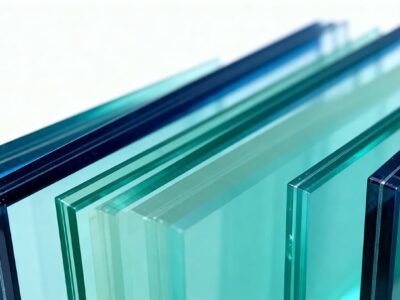
3. Laminated Glass
Production Process
Laminated Glass is produced by bonding two or more glass layers with PVB, EVA, or SGP interlayers. The lamination process involves:
Cleaning and pre-assembly
Vacuum pre-lamination
Autoclave heating and pressure bonding
The interlayer holds the glass together even when broken.
Quality Standards
Common international standards include:
ASTM C1172
EN 14449
ISO 12543
Laminated Glass is tested for impact resistance, adhesion, and light transmission.
Key Characteristics
Enhanced safety (glass fragments remain adhered)
Sound insulation performance
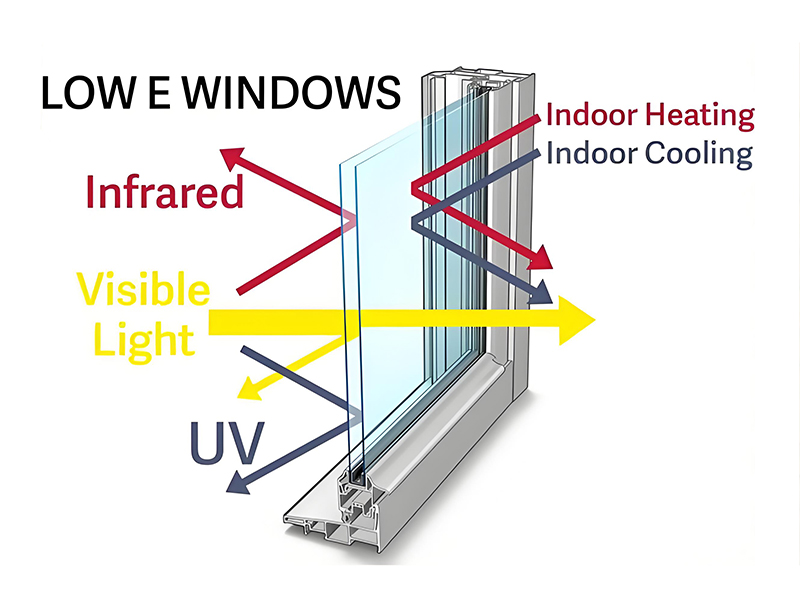
UV protection (up to 99% UV blocking with PVB)
Suitable for facades, railings, skylights, and curtain walls
Compared to Tempered Glass, Laminated Glass provides better post-breakage safety but lower surface strength unless combined with tempering.
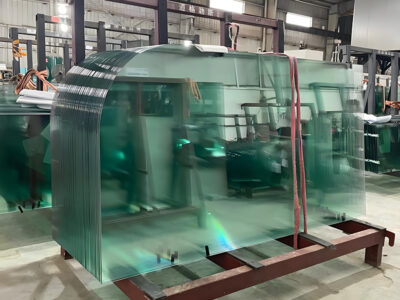
4. Tempered Glass
Production Process
Tempered Glass is manufactured through a thermal tempering process:
Heating float glass to approximately 620–680°C
Rapid air quenching
Creating compressive stress on the surface
This process increases mechanical strength by 4–5 times compared to annealed glass.
Quality Standards
Tempered Glass must comply with:
ASTM C1048
EN 12150
ISO 12540
It undergoes impact resistance and fragmentation testing to ensure safe breakage patterns.
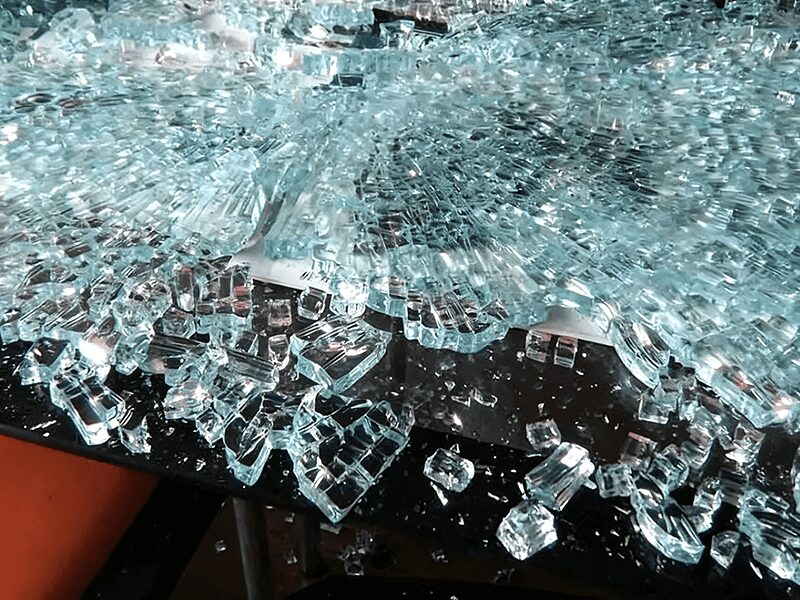
However, unlike Laminated Glass, once broken, Tempered Glass loses structural integrity completely; Breaks into small blunt fragments.

Far far away, behind the word mountains, far from the countries Vokalia and Consonantia, there live the blind texts. Separated they live in Bookmarksgrove right at the coast
Far far away, behind the word mountains, far from the countries Vokalia and Consonantia, there live the blind texts. Separated they live in Bookmarksgrove right at the coast
Far far away, behind the word mountains, far from the countries Vokalia and Consonantia, there live the blind texts. Separated they live in Bookmarksgrove right at the coast

I am item content. Click edit button to change this text. Lorem ipsum dolor sit amet, consectetur adipiscing elit. Ut elit tellus, luctus nec ullamcorper mattis, pulvinar dapibus leo.
I am item content. Click edit button to change this text. Lorem ipsum dolor sit amet, consectetur adipiscing elit. Ut elit tellus, luctus nec ullamcorper mattis, pulvinar dapibus leo.
I am item content. Click edit button to change this text. Lorem ipsum dolor sit amet, consectetur adipiscing elit. Ut elit tellus, luctus nec ullamcorper mattis, pulvinar dapibus leo.
Featured Box Title
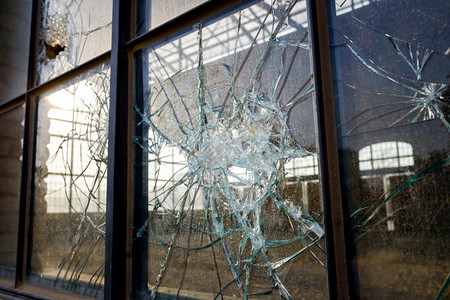
High Strength & Enhanced Safety for Architectural Glass
Tempered Safety glass delivers exceptional impact resistance, bending strength, and thermal stability, making it ideal for high-stress environments like glass staircases and walkways. Its ability to withstand sudden temperature fluctuations ensures durability in diverse climates. When broken, it shatters into small, blunt-edged particles, significantly reducing injury risks and earning its status as a globally trusted safety glass for architectural projects.
Laminated Safety glass features interlayers bonded between two or more glass layers. Even if shattered, the interlayer retains fragments, preventing sharp debris dispersal and maintaining a clean, smooth surface. This design effectively mitigates piercing injuries and fall-through hazards, ensuring superior safety for applications such as safety glass floors and elevated walkways. By combining tempered safety glass with laminated technology, it creates high-strength, multi-layered safety solutions tailored for critical architectural needs
Image Accordion One
Lorem ipsum dolor sit amet consect voluptate repell endus kilo gram magni illo ea animi.
Image Accordion Two
Lorem ipsum dolor sit amet consect voluptate repell endus kilo gram magni illo ea animi.
Image Accordion Three
Lorem ipsum dolor sit amet consect voluptate repell endus kilo gram magni illo ea animi.
Image Accordion Four
Lorem ipsum dolor sit amet consect voluptate repell endus kilo gram magni illo ea animi.